@Cougar1978 said:
One guy prices some of his stuff a little high leaving room for his whup the hagglers game.
Says “if they want play game ok we play game.”
His theory is many haggle because they are incompetent at pricing coins. So they try leave themselves a little room thru haggling.
How many times do you want to tell us the exact same thing in the exact same thread?
Maybe he treats his own posts the same way he does those of other forum members - he doesn’t pay attention to them? So it wouldn’t surprise me if he has no idea what or how many time he’s posted. 😉
Mark Feld* of Heritage Auctions*Unless otherwise noted, my posts here represent my personal opinions.
@Walkerfan said:
I’ll agree with you that the market does fluctuate, but when I’m buying a coin, I want to pay today’s price not yesterday’s or tomorrow’s
Three coins at an auction:
1) No collector interest, it gets bought by a dealer for his website.
2) Good collector activity, it sells to one of them.
3) Several bidders perceive upgrade potential and bid the coin up.
Which one(s) are "today's price"?
edited to add... I'll tell you what I think. Without knowing who bought the coin and why, it is difficult to tell how the final bid relates to the "actual market price". YMMV, of course.
An average of the three.
Lol. They aren't the same coin. I would never price an 1881-S Morgan by averaging and 1881-S Morgan, a 1916D Mercury dime and a high relief St. Gauden's.
🤣
Even if they are the same coin, what good is the average if you have an A coin, a C coin and a toner?
Well that brings up another topic.
I don’t think C coins should even exist.
And toners should be graded equally.
But they do and they’re not.
@Walkerfan said:
I’ll agree with you that the market does fluctuate, but when I’m buying a coin, I want to pay today’s price not yesterday’s or tomorrow’s
Three coins at an auction:
1) No collector interest, it gets bought by a dealer for his website.
2) Good collector activity, it sells to one of them.
3) Several bidders perceive upgrade potential and bid the coin up.
Which one(s) are "today's price"?
edited to add... I'll tell you what I think. Without knowing who bought the coin and why, it is difficult to tell how the final bid relates to the "actual market price". YMMV, of course.
An average of the three.
Lol. They aren't the same coin. I would never price an 1881-S Morgan by averaging and 1881-S Morgan, a 1916D Mercury dime and a high relief St. Gauden's.
🤣
Even if they are the same coin, what good is the average if you have an A coin, a C coin and a toner?
Well that brings up another topic.
I don’t think C coins should even exist.
And toners should be graded equally.
But they do and they’re not.
Why shouldn’t “C coins” exist? “C” is simply used to denote low-end for the grade. If there shouldn’t be “C” coins, there shouldn’t be “A” or “B” coins, either.
Mark Feld* of Heritage Auctions*Unless otherwise noted, my posts here represent my personal opinions.
@MFeld said:
Why shouldn’t “C coins” exist? “C” is simply used to denote low-end for the grade. If there shouldn’t be “C” coins, there shouldn’t be “A” or “B” coins, either.
If "C coins" are eliminated, there will only be "A coins" and "B coins". Then, "B coins" will be the low-end for the grade, which means they must be eliminated like "C coins" were, leaving just "A coins". And now, "A coins" will include low-end for the grade, meaning... well, you can see where this leads, right?
@Walkerfan said:
I’ll agree with you that the market does fluctuate, but when I’m buying a coin, I want to pay today’s price not yesterday’s or tomorrow’s
Three coins at an auction:
1) No collector interest, it gets bought by a dealer for his website.
2) Good collector activity, it sells to one of them.
3) Several bidders perceive upgrade potential and bid the coin up.
Which one(s) are "today's price"?
edited to add... I'll tell you what I think. Without knowing who bought the coin and why, it is difficult to tell how the final bid relates to the "actual market price". YMMV, of course.
An average of the three.
Lol. They aren't the same coin. I would never price an 1881-S Morgan by averaging and 1881-S Morgan, a 1916D Mercury dime and a high relief St. Gauden's.
🤣
Even if they are the same coin, what good is the average if you have an A coin, a C coin and a toner?
Well that brings up another topic.
I don’t think C coins should even exist.
And toners should be graded equally.
But they do and they’re not.
Why shouldn’t “C coins” exist? “C” is simply used to denote low-end for the grade. If there shouldn’t be “C” coins, there shouldn’t be “A” or “B” coins, either.
If a low end, MS 67 is considered a C coin it should’ve been graded 66+ or 66.
@Cougar1978 said:
As a buyer at shows do you haggle with dealers?
As a dealer - how do you handle hagglers?
That brings to mind some other questions:
As a seller at shows, do dealers (and/or collectors) haggle with you?
As a collector, how do you handle hagglers?
Mostly regard them as PL - Pathetic Losers
I see them as cash flow opportunity if deal can be negotiated.. one big spender always wanted 10 pct off so would work angle accordingly get all the money.
I will come down 10pct in certain situations but the deal (positive gross margin) has to be there. If they want bigger discount well goodbye.
» show previous quotes
How many times do you want to tell us the exact same thing in the exact same thread?
Maybe he treats his own posts the same way he does those of other forum members - he doesn’t pay attention to them? So it wouldn’t surprise me if he has no idea what or how many time he’s posted. 😉
I would wager a fair sum that he doesn’t even realize that he is posting comments on his own thread…
@Cougar1978 said:
I had one show customer big spender who always wanted knock off 10 pct on what he picked out. So I just bumped up the price quote accordingly to offset that. Call that play student body left off the left hash lol.
It’s just all fun and games.
I don't believe you've ever gone to a show with coins to sell.
@Walkerfan said:
I’ll agree with you that the market does fluctuate, but when I’m buying a coin, I want to pay today’s price not yesterday’s or tomorrow’s
Three coins at an auction:
1) No collector interest, it gets bought by a dealer for his website.
2) Good collector activity, it sells to one of them.
3) Several bidders perceive upgrade potential and bid the coin up.
Which one(s) are "today's price"?
edited to add... I'll tell you what I think. Without knowing who bought the coin and why, it is difficult to tell how the final bid relates to the "actual market price". YMMV, of course.
An average of the three.
Lol. They aren't the same coin. I would never price an 1881-S Morgan by averaging and 1881-S Morgan, a 1916D Mercury dime and a high relief St. Gauden's.
🤣
Even if they are the same coin, what good is the average if you have an A coin, a C coin and a toner?
Well that brings up another topic.
I don’t think C coins should even exist.
And toners should be graded equally.
But they do and they’re not.
Why shouldn’t “C coins” exist? “C” is simply used to denote low-end for the grade. If there shouldn’t be “C” coins, there shouldn’t be “A” or “B” coins, either.
If a low end, MS 67 is considered a C coin it should’ve been graded 66+ or 66.
And once you move all of the "C" MS 67's to 66+, many of the coins that were previously "B" MS67 coins are now "C" since they are now the lowest for the grade.
@Walkerfan said:
I’ll agree with you that the market does fluctuate, but when I’m buying a coin, I want to pay today’s price not yesterday’s or tomorrow’s
Three coins at an auction:
1) No collector interest, it gets bought by a dealer for his website.
2) Good collector activity, it sells to one of them.
3) Several bidders perceive upgrade potential and bid the coin up.
Which one(s) are "today's price"?
edited to add... I'll tell you what I think. Without knowing who bought the coin and why, it is difficult to tell how the final bid relates to the "actual market price". YMMV, of course.
An average of the three.
Lol. They aren't the same coin. I would never price an 1881-S Morgan by averaging and 1881-S Morgan, a 1916D Mercury dime and a high relief St. Gauden's.
🤣
Even if they are the same coin, what good is the average if you have an A coin, a C coin and a toner?
Well that brings up another topic.
I don’t think C coins should even exist.
And toners should be graded equally.
But they do and they’re not.
I agree with toners. Very subjective.
The "C" coin part is a little more complicated. I think you are referring to coins that don't make the grade, and I agree on those. But as CAC uses the term, it just means the bottom third of coins that do make the grade. Those are always going to be there even if you tightened the standards abs eliminated the D/F coins that don't make the grade.
Yeah, I guess there’s no way around that.
Since you can’t just pick up a coin and definitively say exactly what grade it is every time and from every person. Almost like a music note or a girlfriend, sharp or flat or just meh.
@sanddollar said:
You don't want a convention full of Cougar1978s, but you do want one (for amusement purposes).
Thanks Cougar for all you do.
I bet it would be fun to cherry-pick Cougar.
Worry is the interest you pay on a debt you may not owe.
"Paper money eventually returns to its intrinsic value---zero."----Voltaire
"Everything you say should be true, but not everything true should be said."----Voltaire
@Cougar1978 said:
As a buyer at shows do you haggle with dealers?
As a dealer - how do you handle hagglers?
That brings to mind some other questions:
As a seller at shows, do dealers (and/or collectors) haggle with you?
As a collector, how do you handle hagglers?
Mostly regard them as PL - Pathetic Losers
I see them as cash flow opportunity if deal can be negotiated.. one big spender always wanted 10 pct off so would work angle accordingly get all the money.
I will come down 10pct in certain situations but the deal (positive gross margin) has to be there. If they want bigger discount well goodbye.
>
Damn. I'd be saying "goodbye" before I even got to your table.
Bet you're a hoot at funerals too. "He died because he haggled too much."
@Cougar1978 said:
No I don’t give hagglers more than 10 pct off. Everybody knows many of them are trash just looking for a rip or basically clueless as to MV.
What shows do you sell at. If you don’t like the concept of counter offer etc and people wasting your time Why dont you post a sign stating all prices as marked no offers etc
I already have an assistant. Besides security, She is very good at negotiating deals especially if they have something to sell we can buy right.
In addition (sell side) we are in a bull sellers market especially silver and gold material. Take a look at the Kitco graphs. So hagglers rowing upstream lol.
@Cougar1978 said:
I already have an assistant. Besides security, She is very good at negotiating deals if they have something to sell we can buy right.
@Cougar1978 . I try to stay out of things I have little or no involvement with but are saying you let your "assistant" do the haggling and make deals. Are you just there to look pretty and stare off into the distance bravely or do you run your own business? James
That was already explained above. It allows me to walk the floor to see what may be there for procurement. I handle the sell side she may handle certain buy situations plus security.
Comments
Maybe he treats his own posts the same way he does those of other forum members - he doesn’t pay attention to them? So it wouldn’t surprise me if he has no idea what or how many time he’s posted. 😉
Mark Feld* of Heritage Auctions*Unless otherwise noted, my posts here represent my personal opinions.
Well that brings up another topic.
I don’t think C coins should even exist.
And toners should be graded equally.
But they do and they’re not.
Here’s a fine example of a toner bump.
Maybe a little biased I made it.
MS67
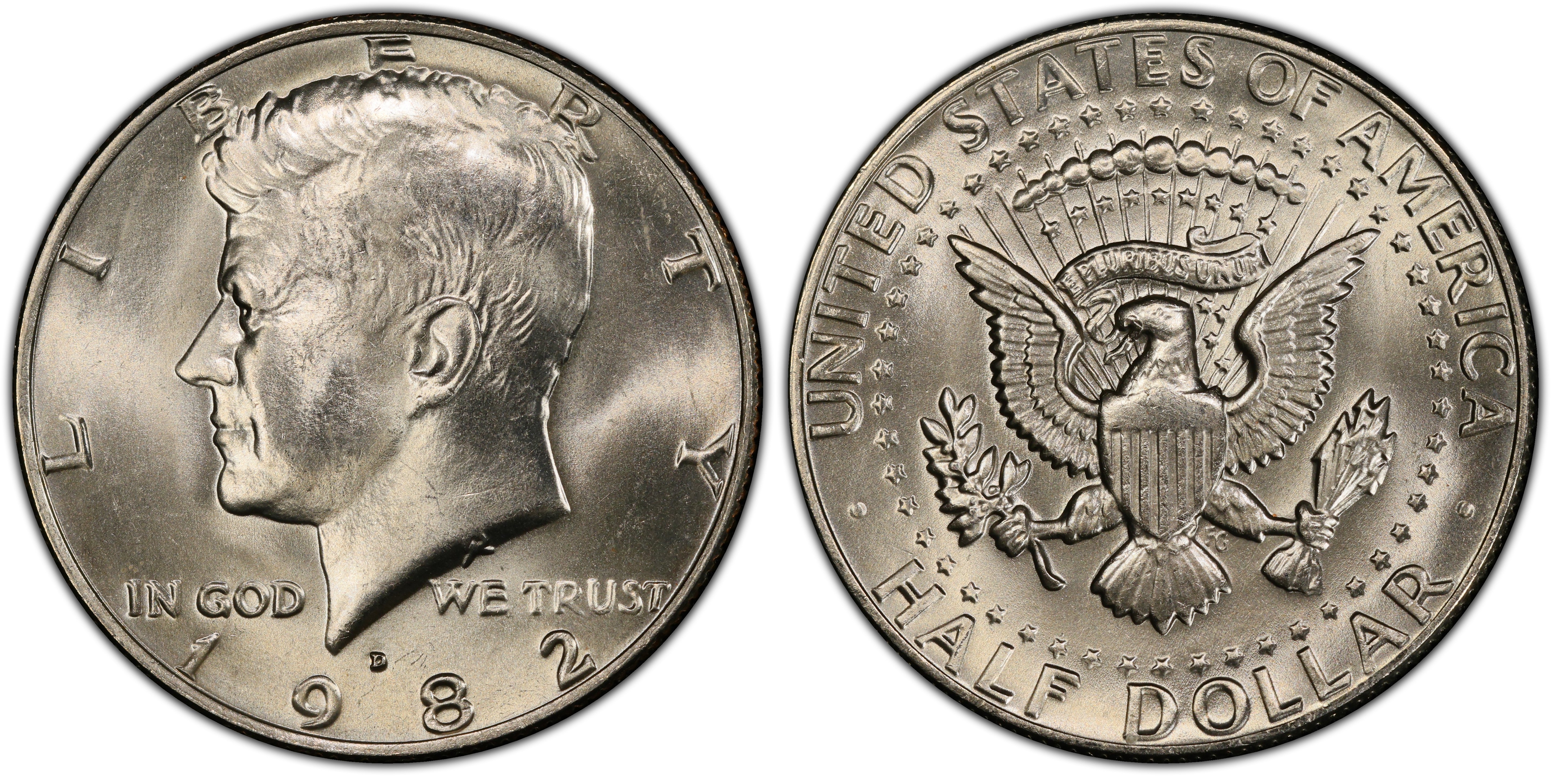
Then the toned MS67+ clearly inferior to mine but worth $3950 more than mine.
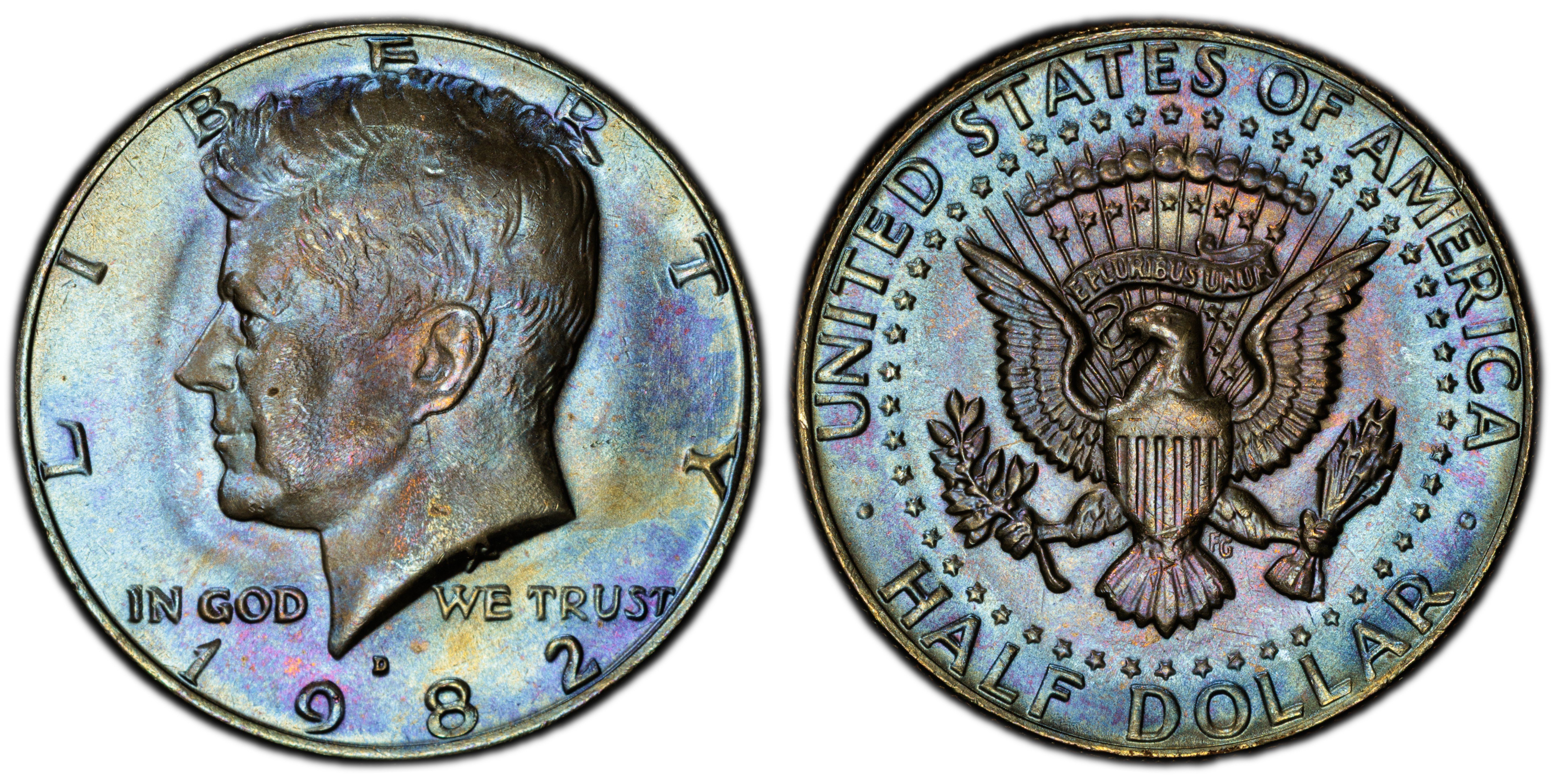
And still I was haggled at least once 😆
Why shouldn’t “C coins” exist? “C” is simply used to denote low-end for the grade. If there shouldn’t be “C” coins, there shouldn’t be “A” or “B” coins, either.
Mark Feld* of Heritage Auctions*Unless otherwise noted, my posts here represent my personal opinions.
If "C coins" are eliminated, there will only be "A coins" and "B coins". Then, "B coins" will be the low-end for the grade, which means they must be eliminated like "C coins" were, leaving just "A coins". And now, "A coins" will include low-end for the grade, meaning... well, you can see where this leads, right?
If a low end, MS 67 is considered a C coin it should’ve been graded 66+ or 66.
Mostly regard them as PL - Pathetic Losers
I see them as cash flow opportunity if deal can be negotiated.. one big spender always wanted 10 pct off so would work angle accordingly get all the money.
I will come down 10pct in certain situations but the deal (positive gross margin) has to be there. If they want bigger discount well goodbye.
@MFeld
@lermish said:
» show previous quotes
How many times do you want to tell us the exact same thing in the exact same thread?
Maybe he treats his own posts the same way he does those of other forum members - he doesn’t pay attention to them? So it wouldn’t surprise me if he has no idea what or how many time he’s posted. 😉
I would wager a fair sum that he doesn’t even realize that he is posting comments on his own thread…
chopmarkedtradedollars.com
I don’t believe your on this planet.
And once you move all of the "C" MS 67's to 66+, many of the coins that were previously "B" MS67 coins are now "C" since they are now the lowest for the grade.
To have winners(A's) there must be losers(B's/C's) Always been this way.
@Cougar1978 said:
Maybe a couple of agrees every now and then?
Yeah, I guess there’s no way around that.
Since you can’t just pick up a coin and definitively say exactly what grade it is every time and from every person. Almost like a music note or a girlfriend, sharp or flat or just meh.
You don't want a convention full of Cougar1978s, but you do want one (for amusement purposes).
Thanks Cougar for all you do.
I bet it would be fun to cherry-pick Cougar.
Worry is the interest you pay on a debt you may not owe.
"Paper money eventually returns to its intrinsic value---zero."----Voltaire
"Everything you say should be true, but not everything true should be said."----Voltaire
I wouldn’t want to try to sell him anything.
>
Damn. I'd be saying "goodbye" before I even got to your table.
Bet you're a hoot at funerals too. "He died because he haggled too much."
10-4,
My Instagram picturesErik
My registry sets
Cougar, purchasing his first dateless Buffalo nickel for .7c at a local coin show:
No I don’t give hagglers more than 10 pct off. Everybody knows many of them are trash just looking for a rip or basically clueless as to MV.
What shows do you sell at. If you don’t like the concept of counter offer etc and people wasting your time Why dont you post a sign stating all prices as marked no offers etc
ROFL do you expect to haggle at Walmart? Or a restaurant or supermarket?
How does one go about apprenticing with you?
You start with negotiations, obviously.
I already have an assistant. Besides security, She is very good at negotiating deals especially if they have something to sell we can buy right.
In addition (sell side) we are in a bull sellers market especially silver and gold material. Take a look at the Kitco graphs. So hagglers rowing upstream lol.
Boss, you haven't tried my eZest Long Islands!
I don’t smoke. But a shot of bourbon can ease a bad day.
@Cougar1978 . I try to stay out of things I have little or no involvement with but are saying you let your "assistant" do the haggling and make deals. Are you just there to look pretty and stare off into the distance bravely or do you run your own business? James
That was already explained above. It allows me to walk the floor to see what may be there for procurement. I handle the sell side she may handle certain buy situations plus security.
Just don't haggle. 🤨
Based off views alone, this post is more popular than the Omega Cent post. Alas, the Mint doesn't know what collectors truly want