Best Of
Re: Warning- this is counterfeit - beware!
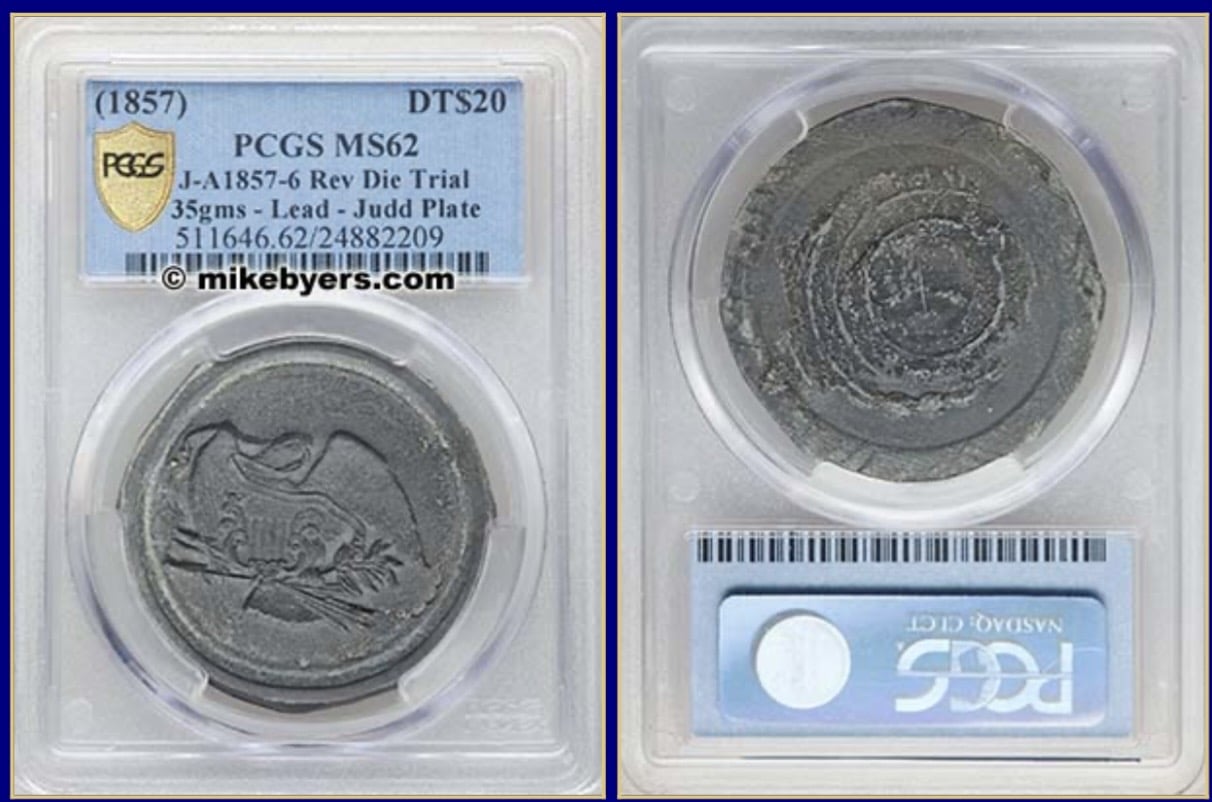
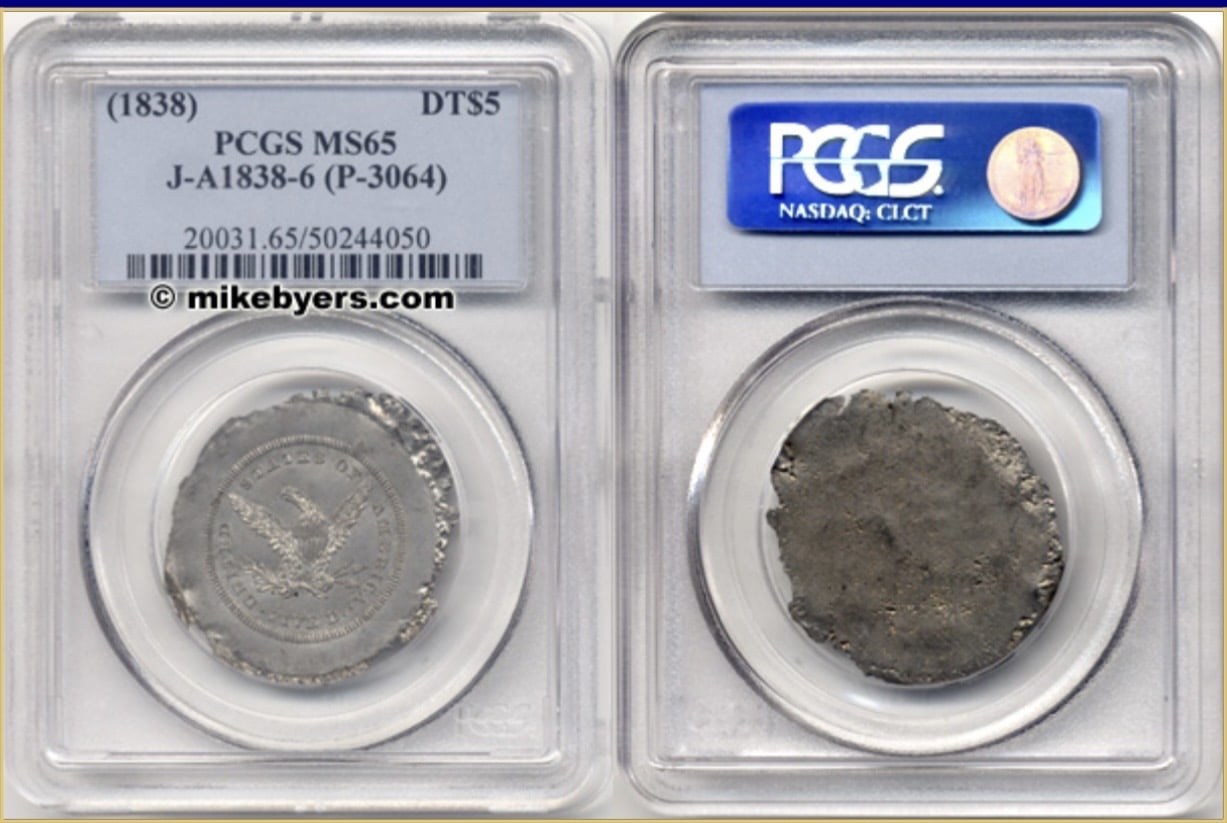
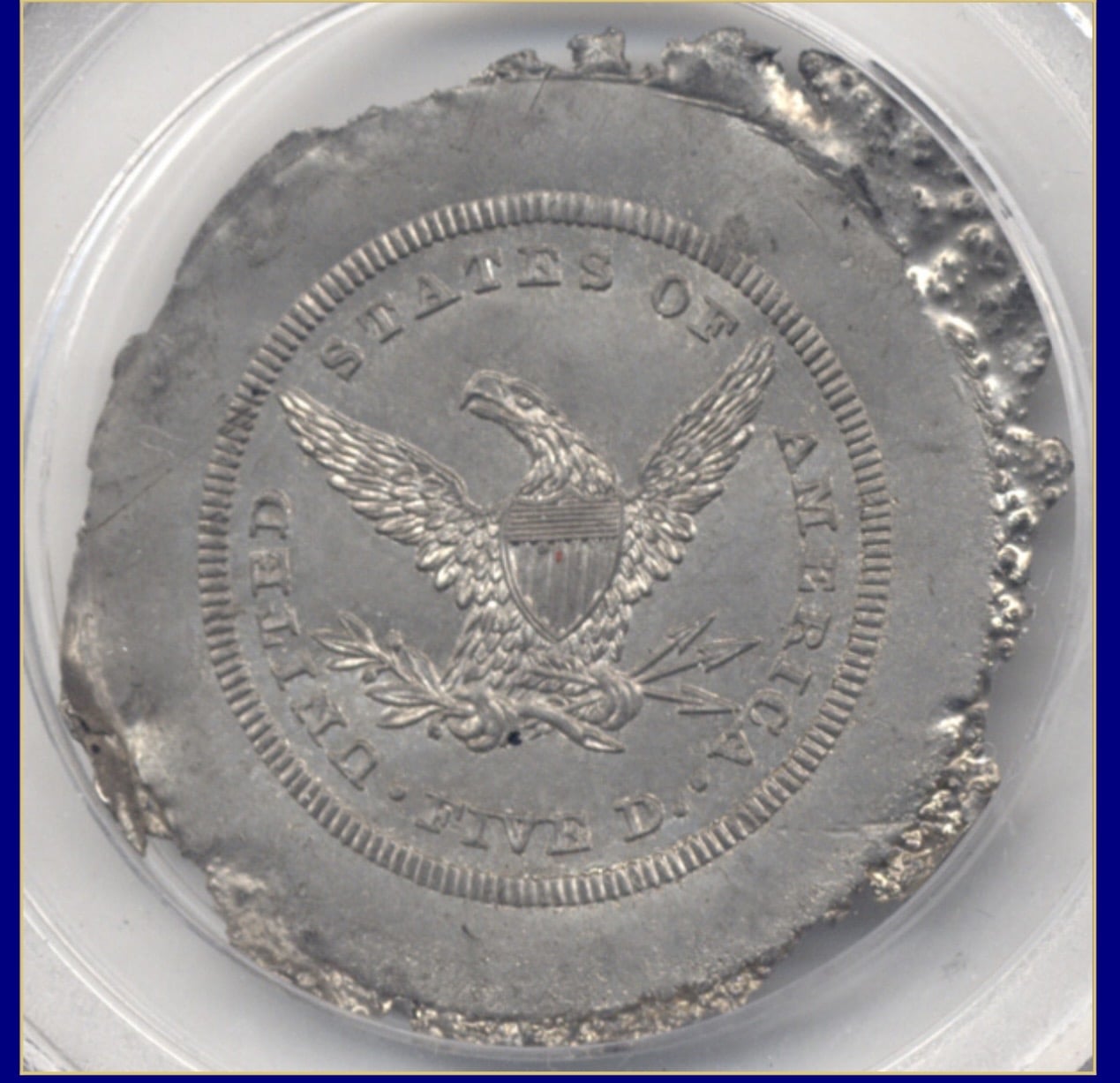
For those of you who are not familiar with gold die trials of earlier U.S. coins, they often look like this:
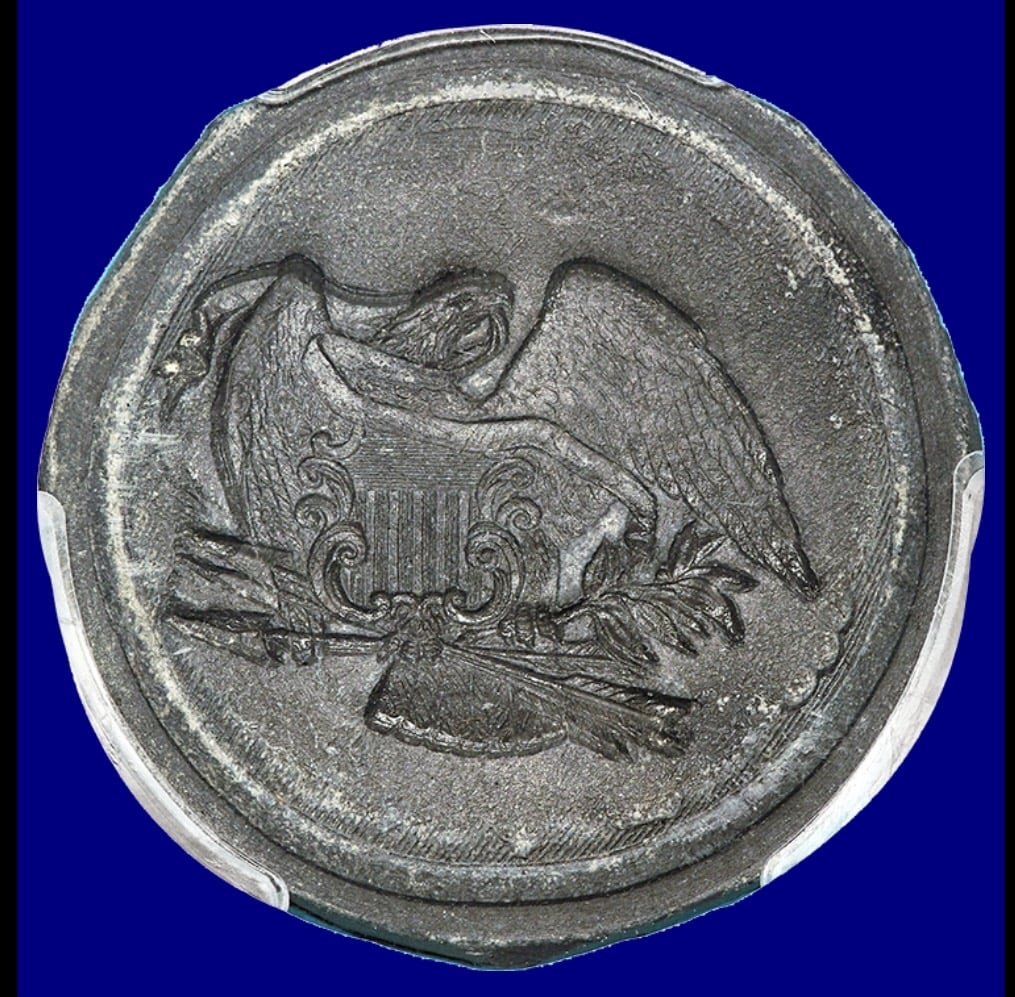
 Byers
Byers
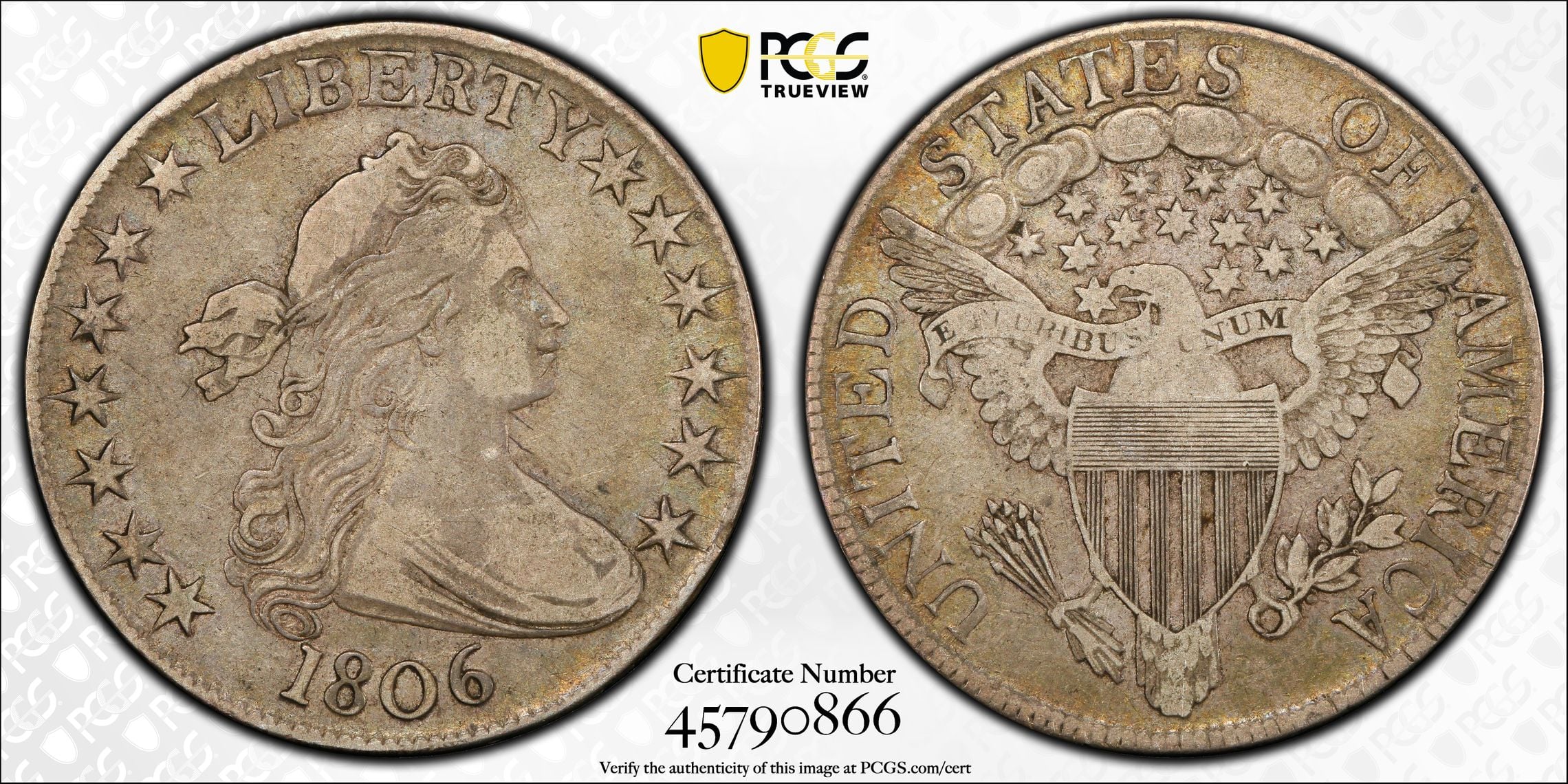
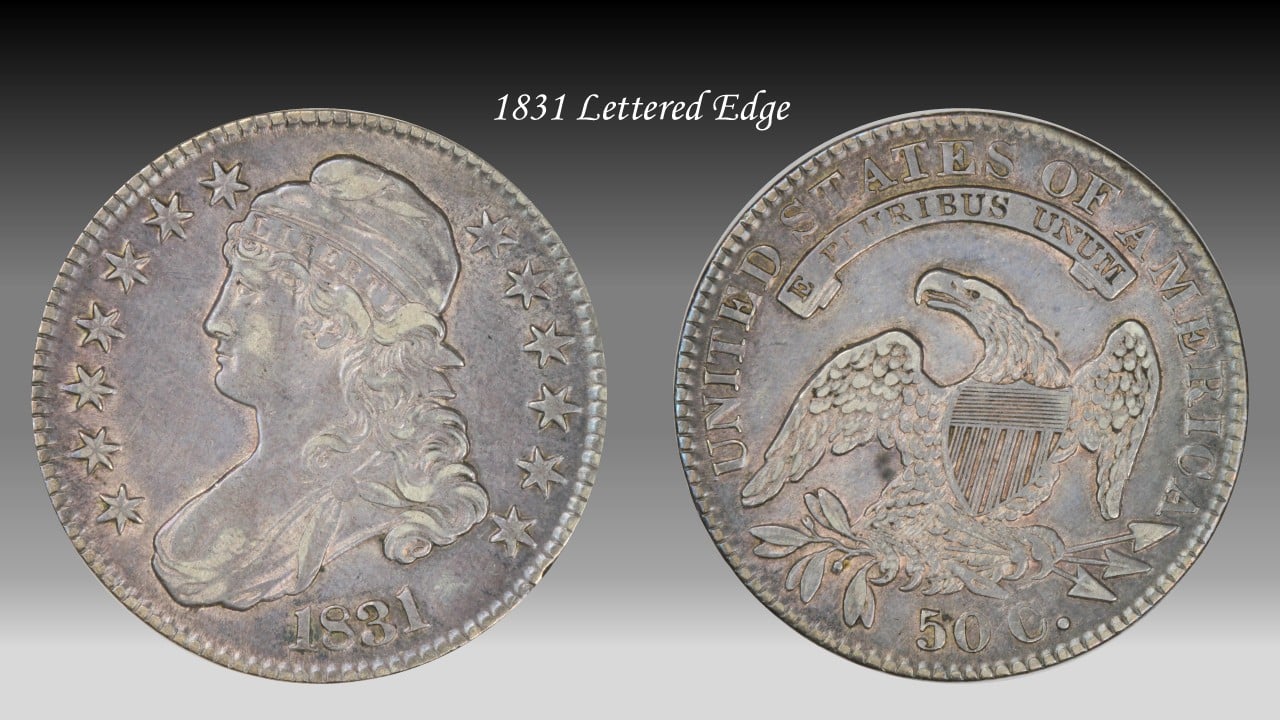
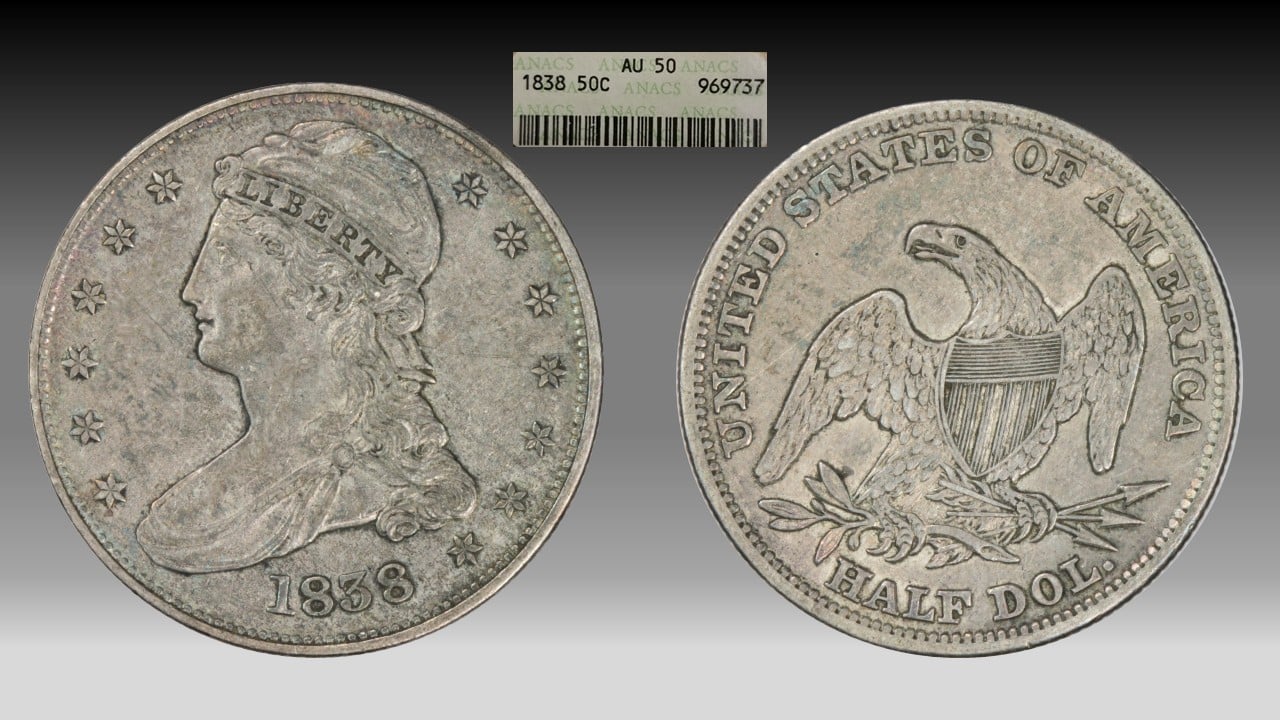
resized.jpg)
Re: The Collaborative "Virtual 7070" Type Set Project
@winesteven said:
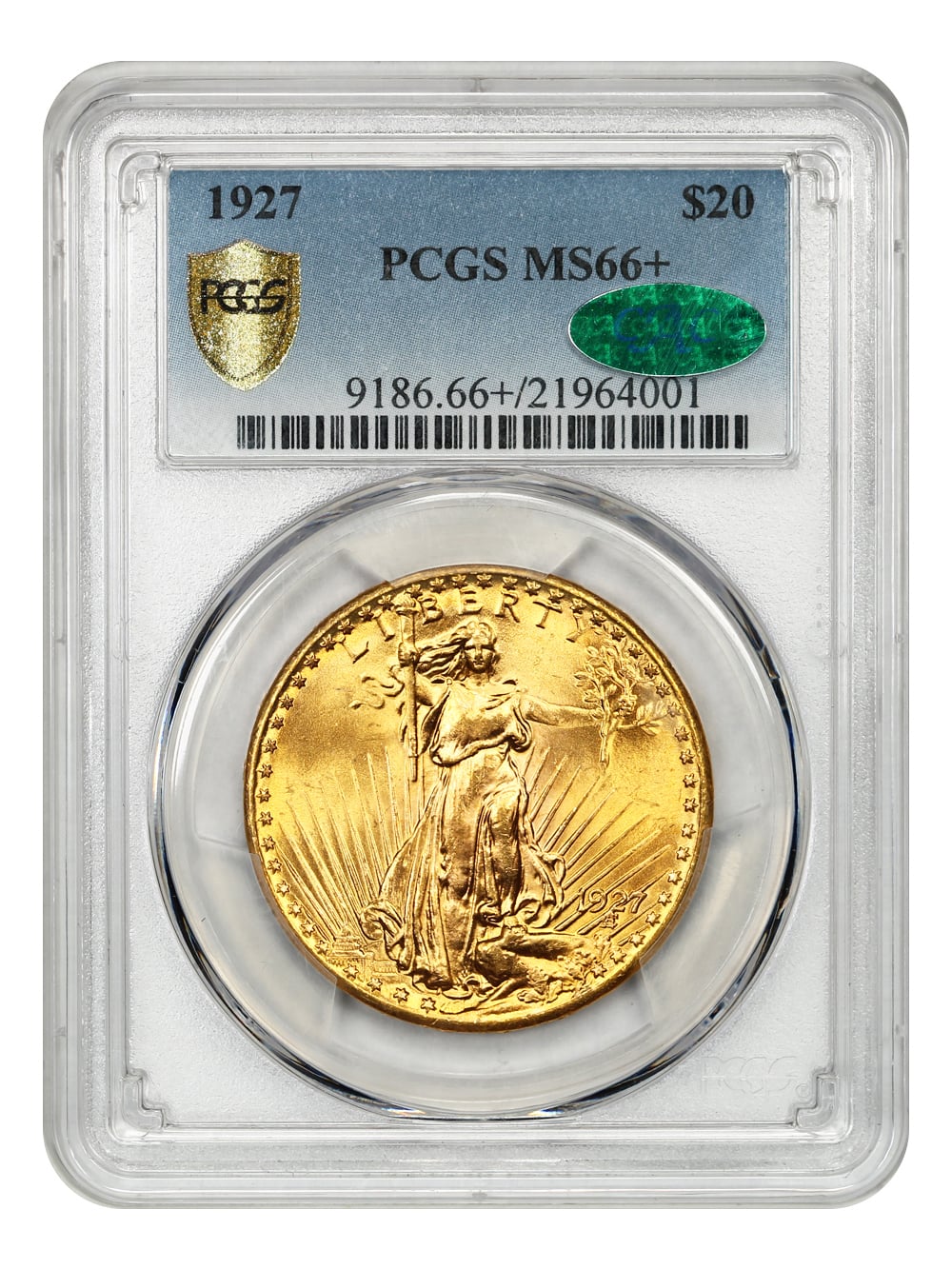
PR66CAM w/CAC. There are 78 of these graded PR66CAM (46 by PCGS and 32 by NGC). Of those 78, only 11 merit a CAC sticker! I bought this about seven years ago on eBay, and I only have the sellers photos, which are not good. Fortunately, there’s a “highly lit” True View.
Once again, the contrast between your PR66 CAM CAC and my raw, worn-out holey is amazing! 

Re: Warning- this is counterfeit - beware!
@RedRocket said:
@jmlanzaf said:
@7Jaguars said:
Have you seen some of the other 19th century efforts like needlepoint or micro-mosaics? No TV, no internet, no social media = would have been extreme boredom in our time. Also, IMHO that is not good grounds for excluding the possibility of a genuine mint produced/related coin.Isn't this taking skepticism too far? You have THREE separate expert opinions.
Four.
After reviewing the photos, I agree with PCGS, NGC, and CAC.
Make that 5, and I saw it in hand. But we can all make mistakes, so don’t take our opinions as fact. Just probably not a good idea to bet against us, especially based only on pictures. 😉
 MrEureka
Re: Warning- this is counterfeit - beware!
@7Jaguars said:
I always wonder how on "one-offs" they can be determined false/counterfeit when it seems the possibilities for a genuine MINT PRODUCED die are nearly endless. How do we know that the die was not some creation of a mint employee or engraver that potentially could be a trial or experiment for virtually any purpose that was not employed immediately; rather, what if the die was left on a back shelf somewhere and then later hauled out and used by somebody within or without the mint to strike this piece up.
One suggestion is to back up from the designation of "not genuine, false dies, counterfeit" similar in some way to what had been proposed: "questionable authenticity" or "die does not match known reverse dies".I don't have an interest in this piece other than an open-minded discussion. I would hesitate to condemn on basis of die rust or uneven denticles, etc. I suppose although not exactly the same issue that one thinks of Paquet....
In my 50 years of being a professional numismatist specializing in mint errors and die trials, I have handled many die trials and test pieces.
When I received this die trial to submit to the grading services, my mind explored the exact senarios that you present, of how this possibly was struck in the U.S. Mint.
And initially I believed it to be genuine. Just like when I handled it way back in 1984.
But under strong magnification the rust, die polishing, irregular denticles and wavy planchet led me to agree with the assessment from ALL three grading services!
I am not at liberty to discuss here the exact comments made to me by one of the grading finalizers, but maybe he
will chime in and explain why. Or another finalizer from the other 2 grading services.
I do agree that more details should be given to the submitter of any coin designated counterfeit.
Definitely a great story surrounding this ‘die trial’.
Byers
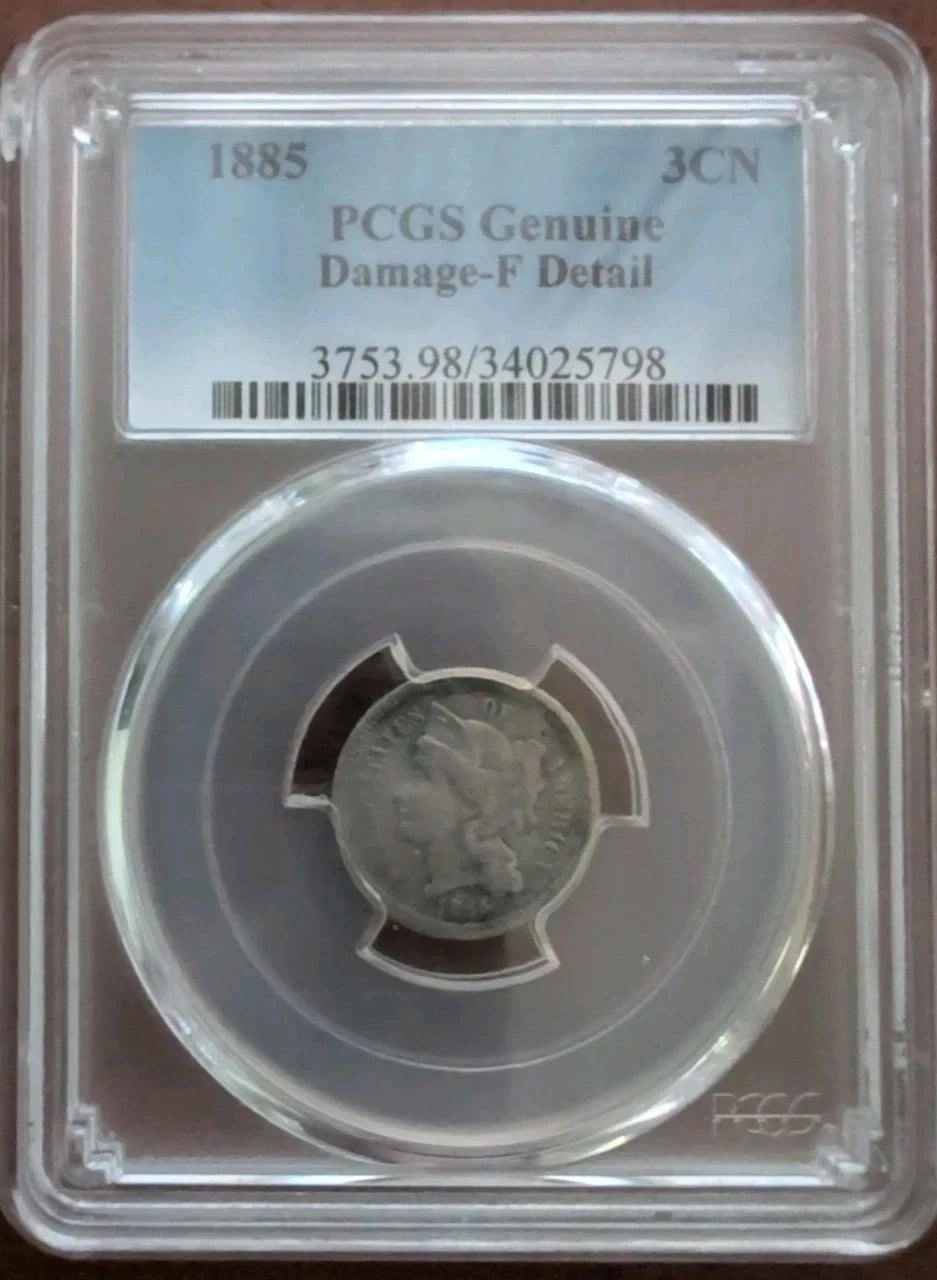
Tough Lesson for Someone - 3CN
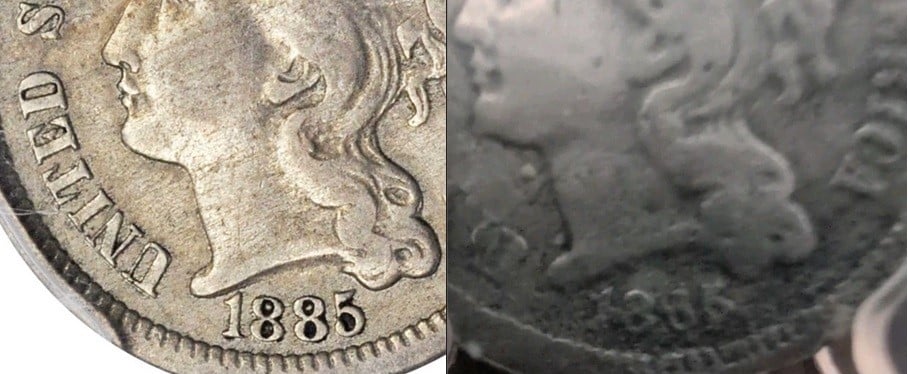
Likely an 1865, but clearly not an 1885. Don't focus on the damaged third digit. The giveaway is that the date punches used for 1885 were much larger than those used on this coin. Compare a genuine one (left) vs the coin in question (right).
https://www.ebay.com/itm/127757529723