Options
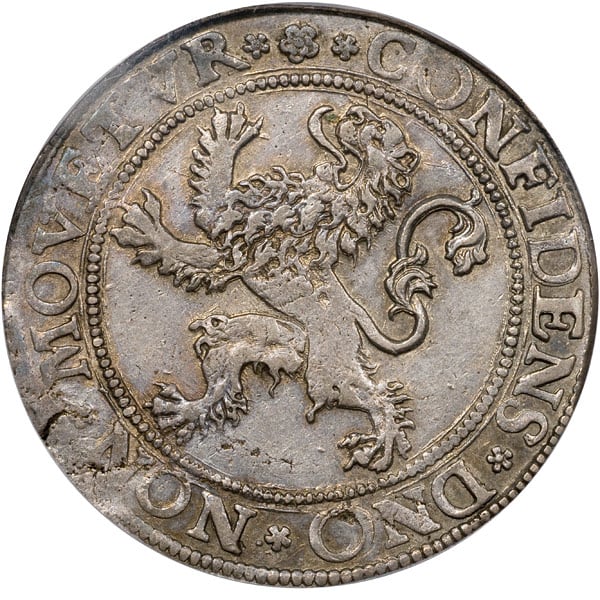
1684 Netherland 1LD Kampen Dav-4897 AU53
 earlyamericancoin
Posts: 18 ✭
Hello, Could you please answer the following questions:
I feel like there are really strong details and they are well centered for this grade and coin type, would it grade higher?
What would you value the coin at as is?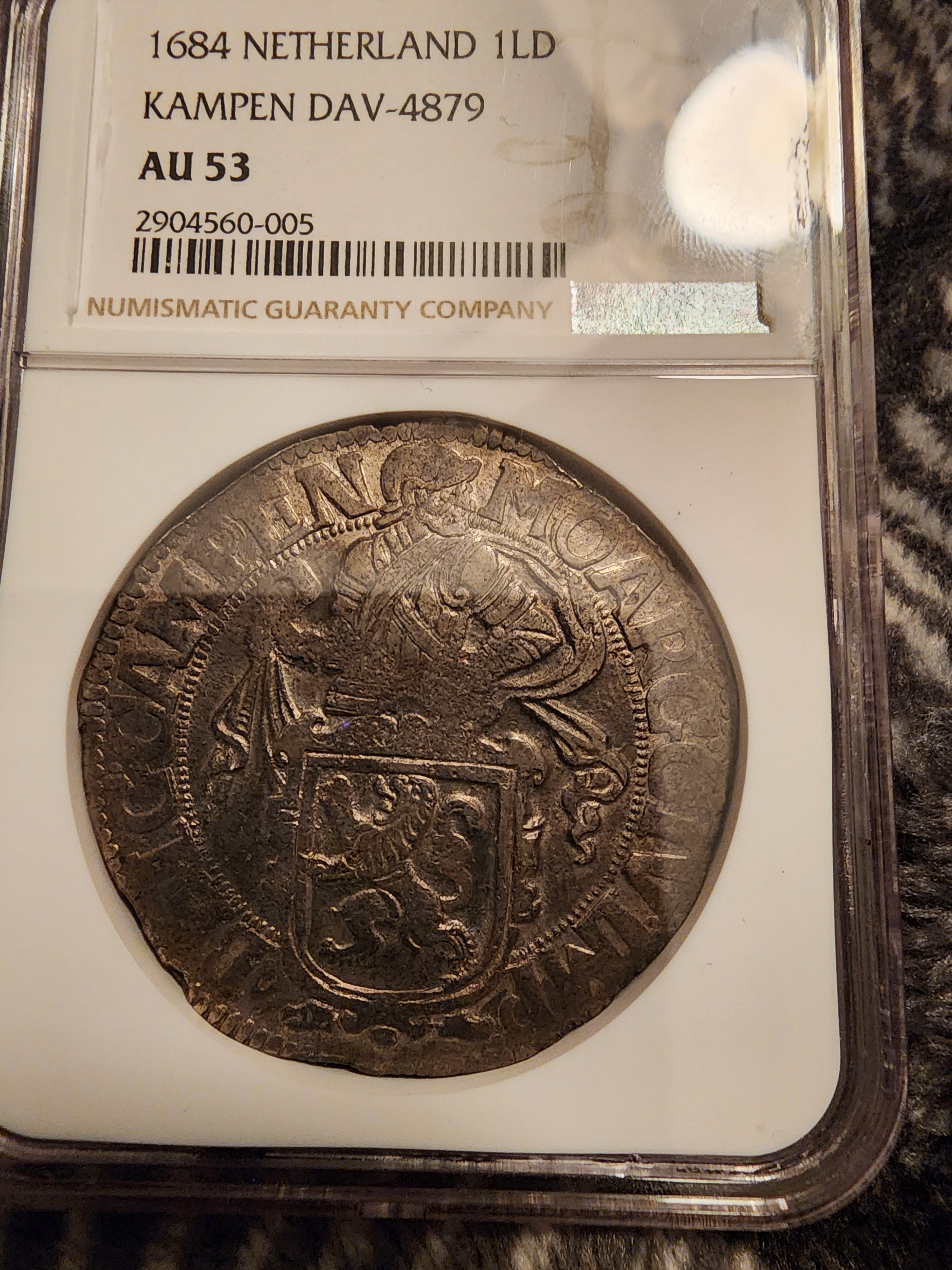
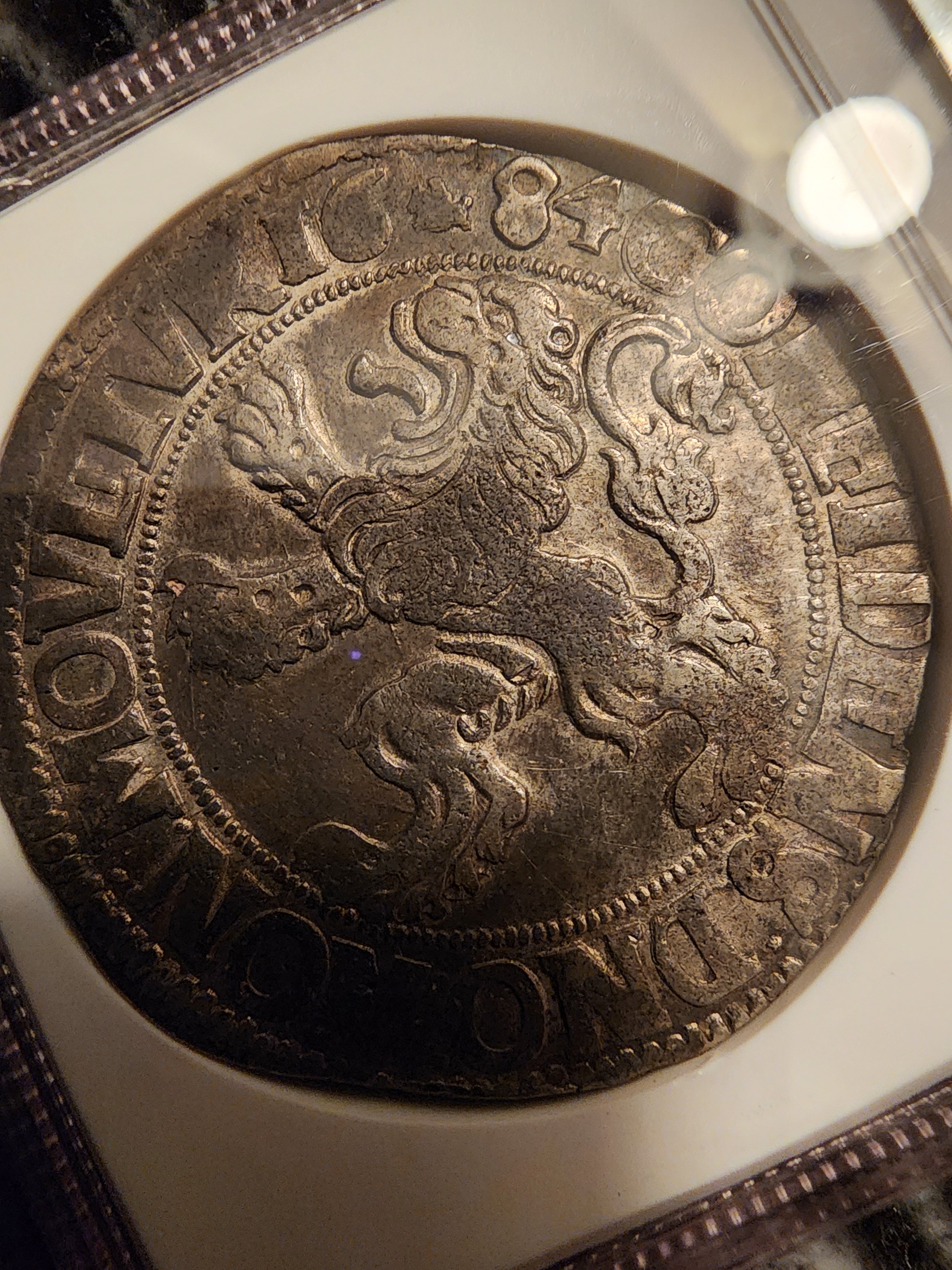
?
Thank-you!
2
Comments
These are all over the place for strike and wear, where they were made and a host of other factors. From what I’ve seen, generally, the earlier ones tend to have terrible strikes, the later ones tend to have better strikes. Yours is a later one.
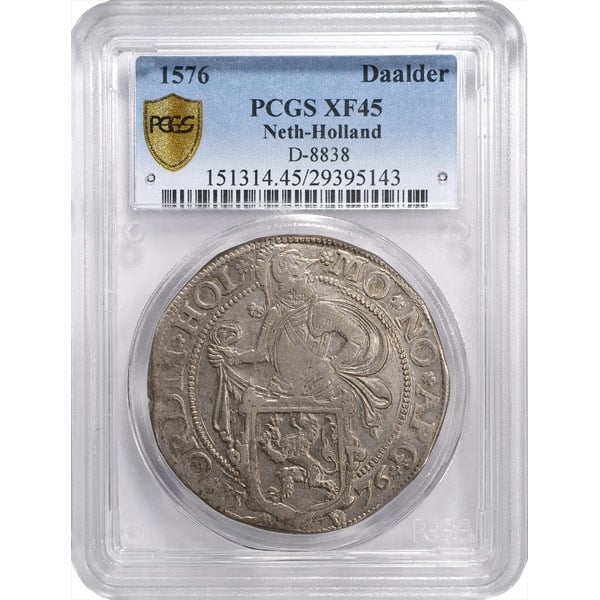
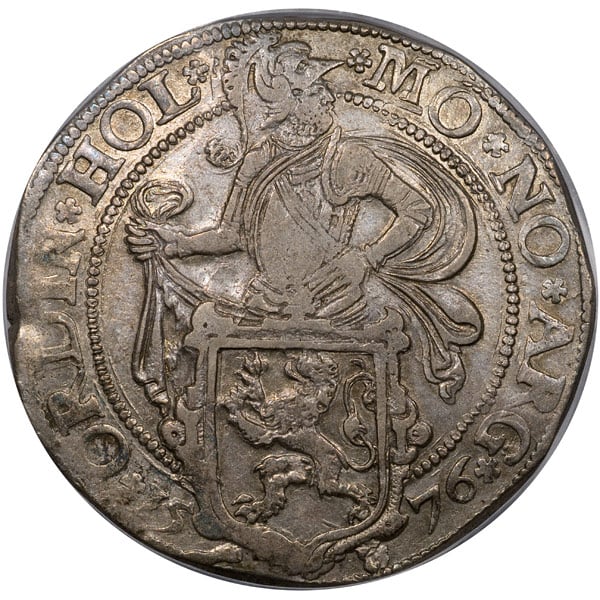
I don’t think it’s undergraded, personally, This is graded as an XF45, if that’s any help to you for comparison.
I'm BACK!!! Used to be Billet7 on the old forum.
Agree that grading is all over the map on these - strike can be terrible, lot of planchet issues, old cleanings. I think 53 is reasonable for what you posted.
Value - who knows? There are a lot of these out there for type, and based on the wide range of eye appeal for a given grade it is hard to generalize.
My avatar is a 45 - and but it has luster and a good strike. I prefer its look to many higher graded coins I have seen.
My current "Box of 20"
Big margin for error on these. AU53 is reasonable. So is XF45, AU50, and AU55. Try and grade by amount of luster.
Edit: As for value, I don't really know if this one has a premium or not over "type". Kampen is a common mint, but in general the later dates, such as 1684, are less common. The common Kampen issues are late 1640s
Keeper of the VAM Catalog • Professional Coin Imaging • Prime Number Set • World Coins in Early America • British Trade Dollars • Variety Attribution
I checked my coin with NGC verification and it mentioned 2 in this grade with only 1 in a higher grade, so I'm thinking in this grade for the date... it may be more scarce comparatively to older dates. It does have nice luster, even though it's a gunmetal gray toned coin.
The very late dates are quite scarce... 1690s-1701. They NEVER come up for sale outside of the Netherlands, it seems... I think by that time, the Lion Daalder had become a less prominent trade coin with less worldwide circulation.
I think it's a bit more accurate to say the earlier (1500s dates or undated) tend to have solid strikes/flans - Bob13's piece being a good example of this. The 1610s through 1640s (especially all those Baltic hoard late 1640s Kampen mint pieces) get quite wonky... and then the latest dates get OK again.
One thing I've noticed too is that, as long as they're not dipped/stripped like those Baltic hoard pieces or otherwise messed with... the lower silver content tends to lend these nice patina.