Post a Favored Coin Along With an Interesting Event From That Year
 GuzziSport
Posts: 385 ✭✭✭✭✭
GuzziSport
Posts: 385 ✭✭✭✭✭
My interest in American history has always been tightly tied to my interest in numismatics… I doubt I ever would have collected if I was not a history buff. I like to research interesting events from the year of issue of any NEWP, it just adds to the allure of the new coin.
I thought it might be interesting and different to start a thread that ties beautiful and interesting coins to interesting events from the year of issue.
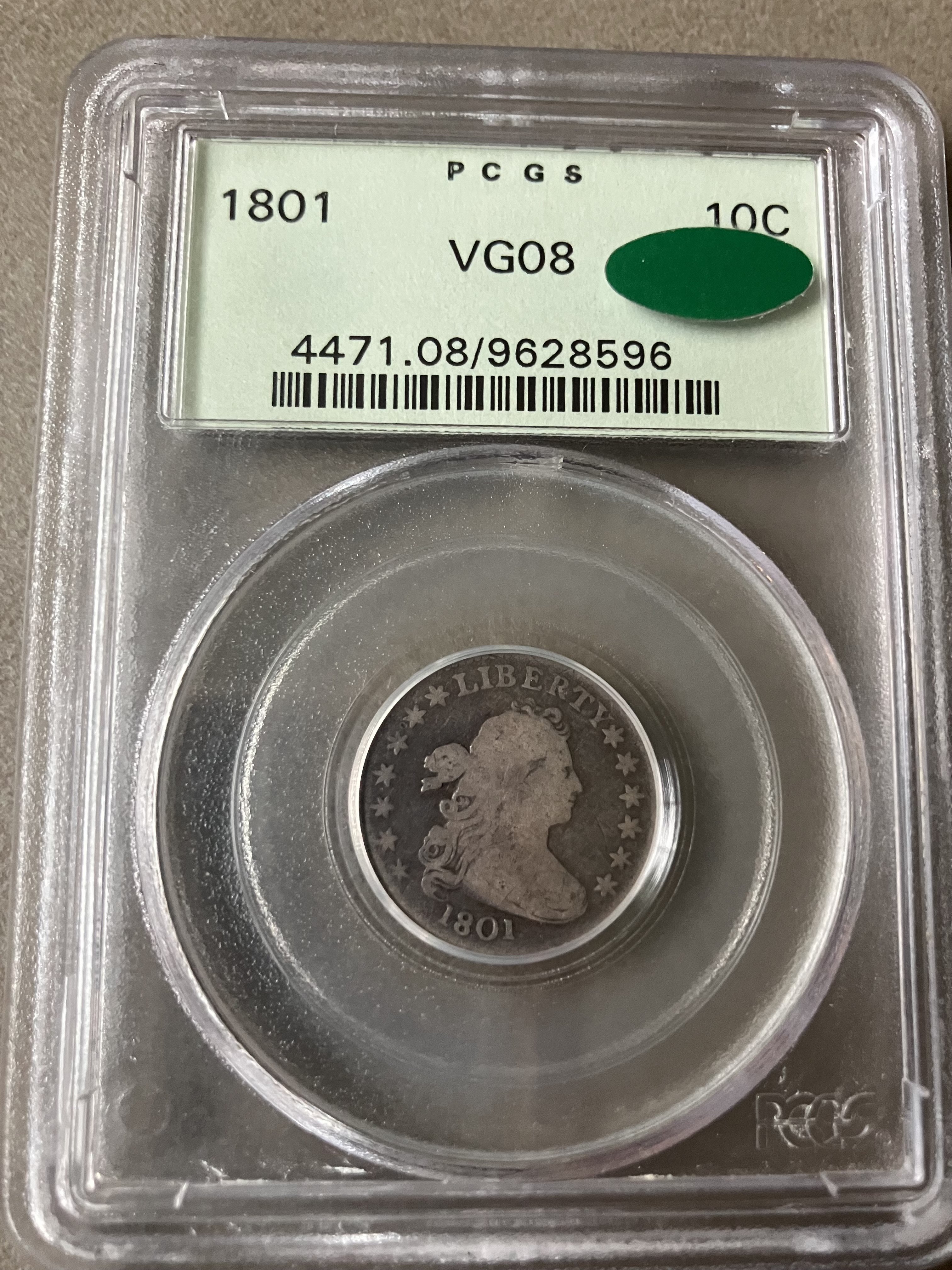
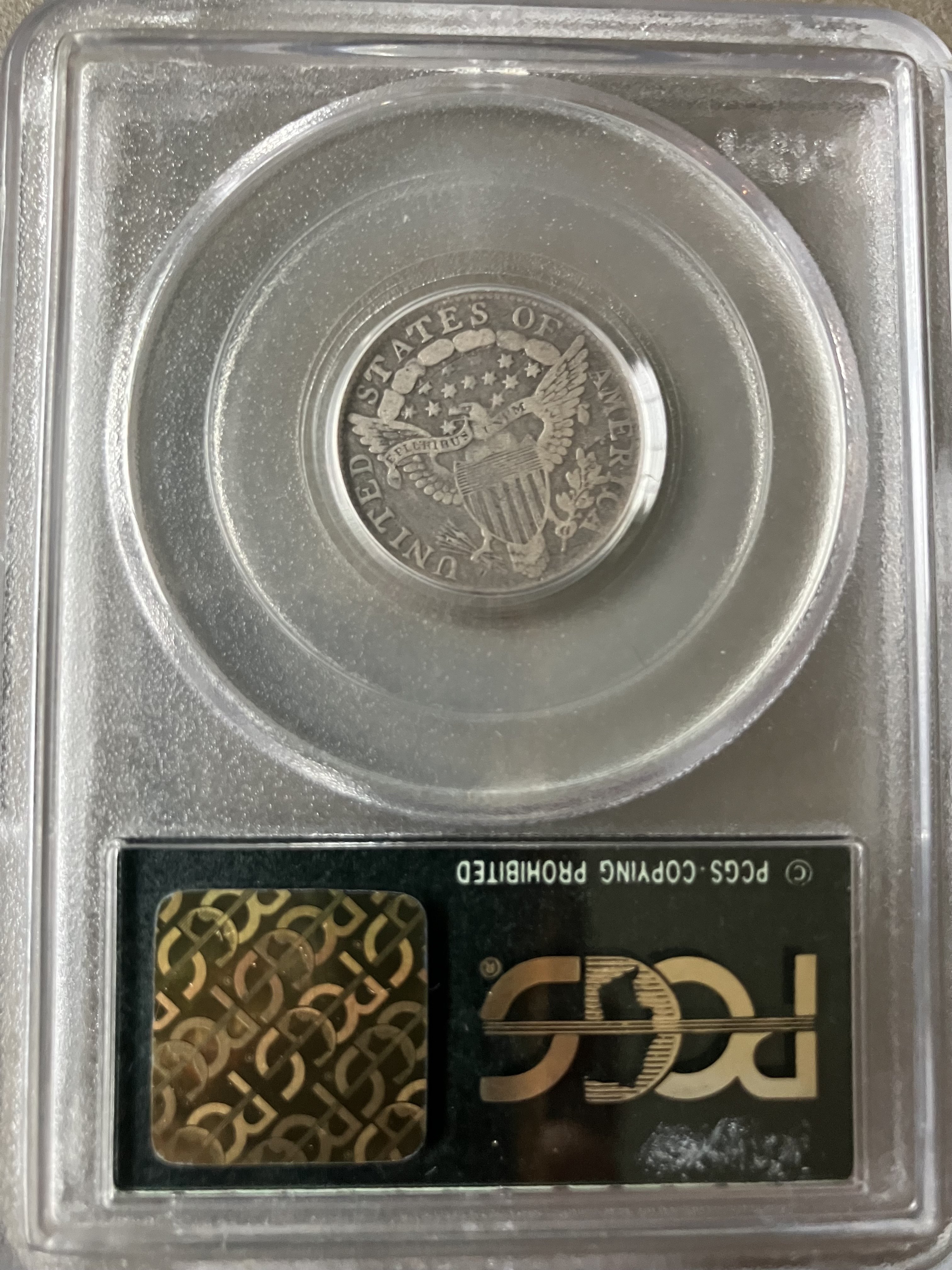
I’ll start it off with an 1801 dime, minted in the year that a lengthy and bitter electoral contest to settle the 1800 Presidential election between Thomas Jefferson and Aaron Burr was ultimately resolved on the 36th ballot (!!) by the US House of Representatives, with the election of Jefferson for his first of his two very turbulent terms in office.
Carry on!
Comments
April 12, 1861 was the date Confederate troops fired on Fort Sumter, SC when Union troops refused to evacuate. This event commenced the Civil War.
“The thrill of the hunt never gets old”
PCGS Registry: Screaming Eagles
Copperindian
Retired sets: Soaring Eagles
Copperindian
Nickelodeon
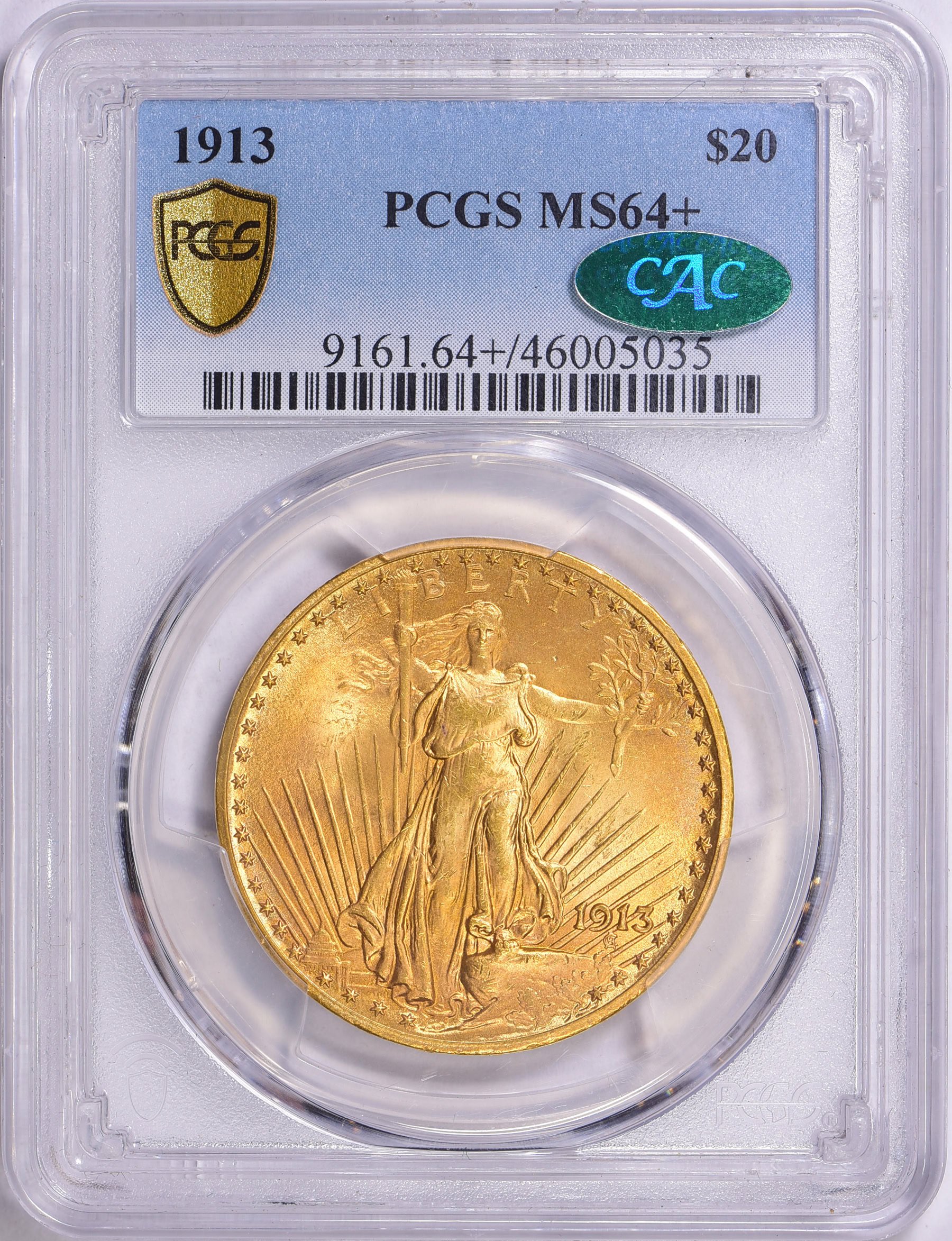
Cool thread! Here is one of my favorites, 1913 Saint, Woodrow Wilson inaugurated as 28th President.
1826, the year of death of the last two living signers of the Declaration of Independence, the fierce political rivals John Adams and Thomas Jefferson, who died merely hours apart on July 4th. By the time they died, they had largely reconciled their differences, and corresponded on a fairly regular basis.
Talk about amazing coincidental timing….
United States 16th President Abraham Lincoln elected, which set the stage for the Civil War, which began the following year.
Sometimes, it’s better to be LUCKY than good. 🍀 🍺👍
My Full Walker Registry Set (1916-1947):
https://www.ngccoin.com/registry/competitive-sets/16292/
Neat premise for a thread @GuzziSport
Like you, US History and Numismatics go hand in hand for me. I think an interest in each helped push the further interest of both.
.
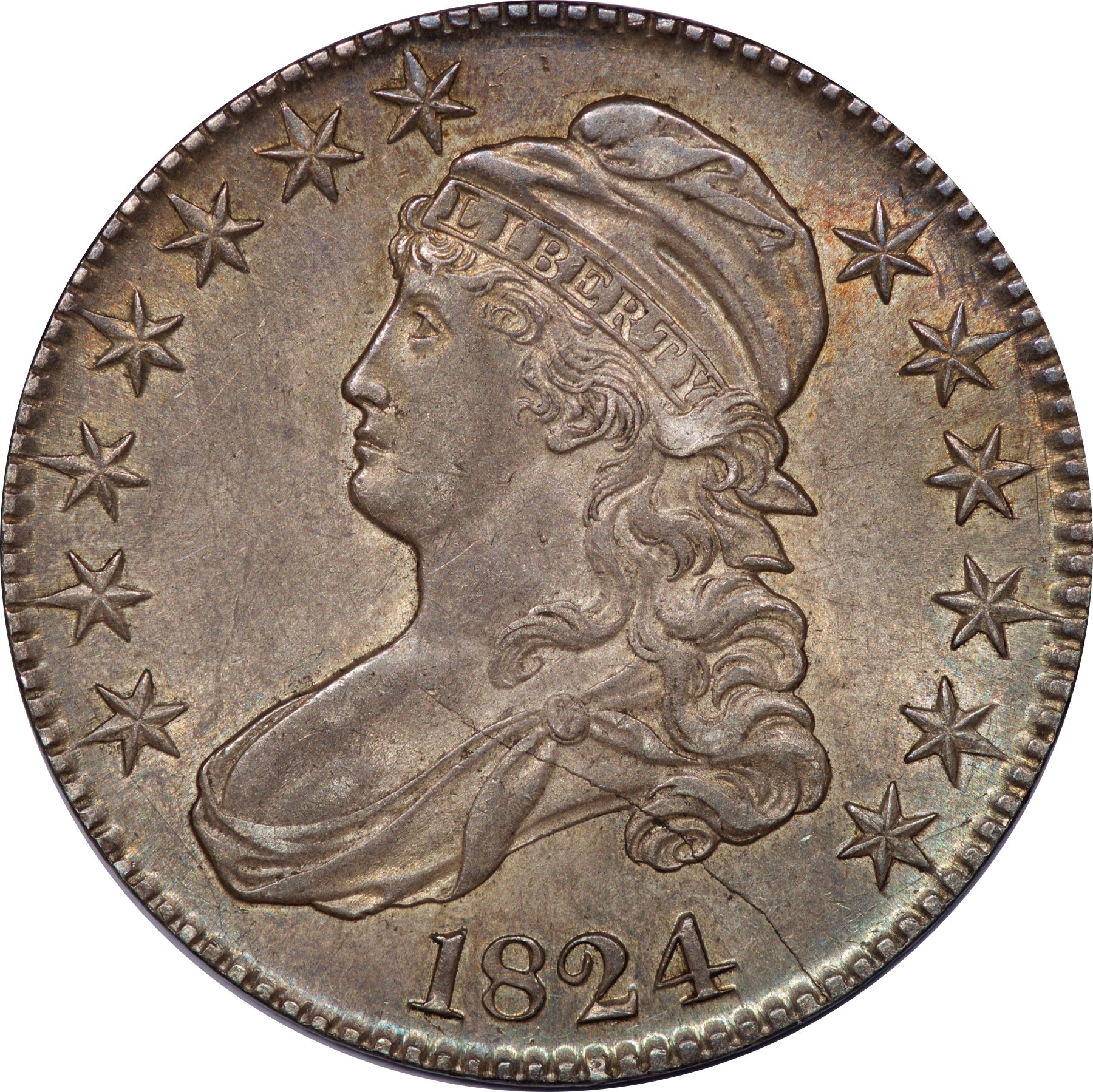
The presidential election of 1824 represented a watershed moment in American politics.
The collapse of the Federalist Party and the illness of the "official candidate" of the Democratic-Republicans led to a slate of candidates who were all Democratic-Republicans. The four main candidates were John Quincy Adams, Henry Clay, William H. Crawford and Andrew Jackson.
Andrew Jackson won both the popular and electoral vote, but ultimately John Quincy Adams became president (as determined by a vote in the House of Representatives). This was because no single candidate had won the majority of the popular or electoral votes.
What transpired is widely considered "The Corrupt Bargain". Henry Clay, who was eliminated from the race by virtue of receiving the least votes of the four, threw his support behind Adams after the election, which cemented the Adams contingent with the most votes (barely), both popular and electoral. After Adams was elected president, he appointed Clay as his Secretary of State, leading Jackson's supporters to believe a "corrupt bargain" had been made.
This also led to the end of the Congressional Caucus system for nominating candidates, and eventually, the development of a new two-party system in the United States.
.
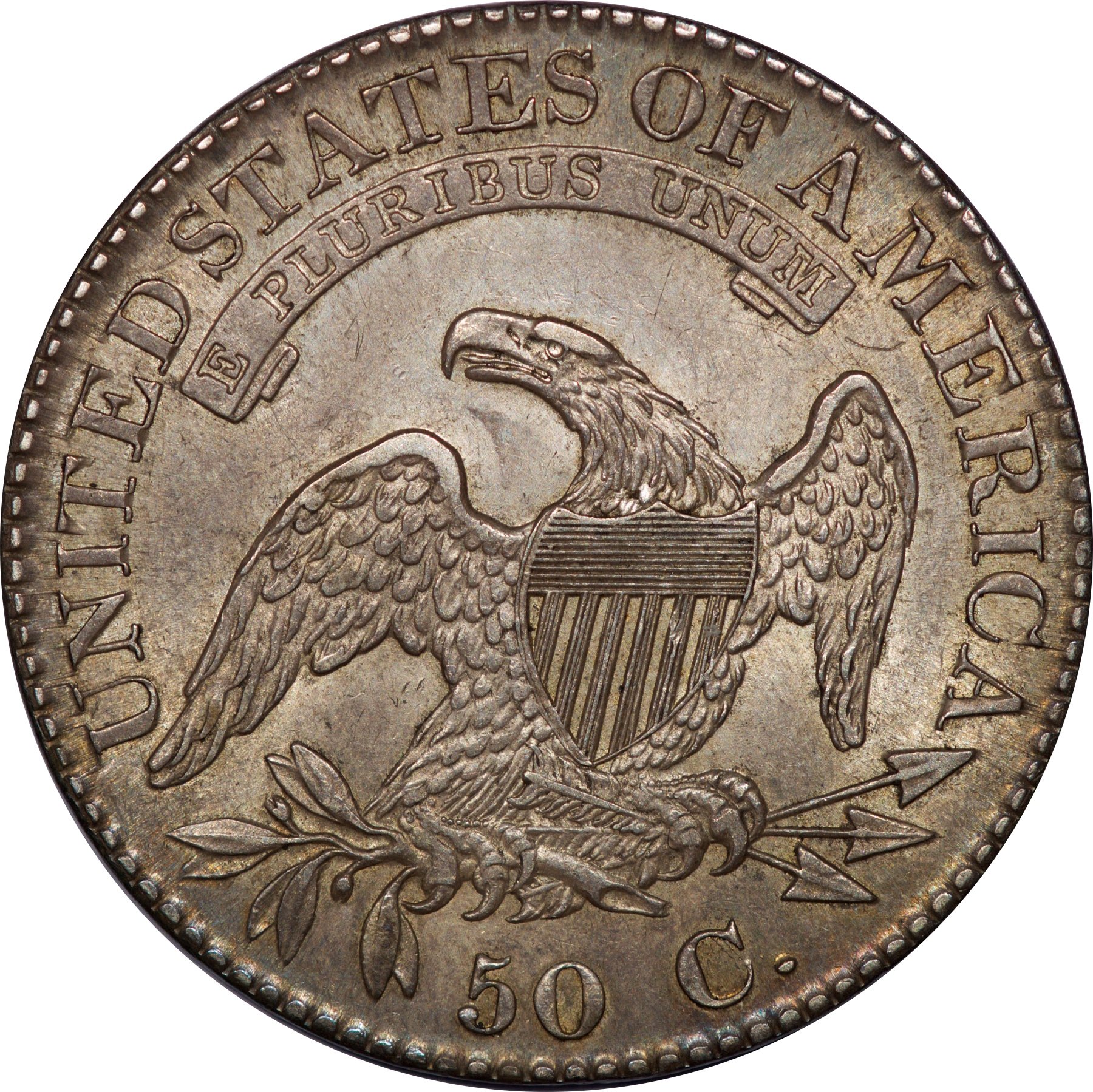
Because I tend to see that the more things change, the more they seem to stay the same ... even 200 years later ... I will show a cracked 1824 CBH as a representative for the date.
.
“We are only their care-takers,” he posed, “if we take good care of them, then centuries from now they may still be here … ”
Todd - BHNC #242
Thanks @pursuitofliberty and hopefully we all learn some interesting tidbits here and there! Learning is a lifetime pursuit….
Also, it’s fine to post duplicate years, BUT you shouldn’t the duplicate historic anecdotes from that year! 😬
1928 Penicillin was discovered.
1881 Gunfight at the O.K. Corral: The Earp brothers and Doc Holliday had their famous confrontation with the Clanton-McLaury gang in Tombstone, Arizona, on October 26.
I’ll note the coin pictured below is technically not a US issue as it was minted in the town of Rupert in what was then the Republic of Vermont.
However, just to the south of the original Vermont mint in western Massachusetts, Shay’s rebellion broke out in 1786, fueled by the resentment of veterans of the Revolutionary War over what was considered unfair taxation and seizure of farms during a particularly severe debt crisis that followed the war.
The rebellion ended after a final violent confrontation in 1787, but the crisis is considered a critical impetus for the Constitutional Convention that took place in Philadelphia later that same year.
On May 31, 1911…RMS Titanic is launched in Belfast, Ireland.
In October the stock market crashed and marked the beginning of the great depression.
My Collection of Old Holders
Never a slave to one plastic brand will I ever be.
One of the most memorable events of 1888 was the Great Blizzard, which struck the northeastern United States in March. Known as the “Blizzard of ’88” or the “Great White Hurricane,” the storm was one of the most severe blizzards in U.S. history, with snowdrifts reaching up to 50 feet in some areas. The storm paralyzed New York City and other northeastern cities for days, causing the deaths of over 400 people and disrupting daily life. The blizzard underscored the importance of infrastructure improvements, leading cities like New York to begin burying telegraph and telephone wires underground to prevent similar disruptions in the future.
December 7th 1941, "A day that will live in infamy"
My Collection of Old Holders
Never a slave to one plastic brand will I ever be.
President Lincoln’s assassination.
“The thrill of the hunt never gets old”
PCGS Registry: Screaming Eagles
Copperindian
Retired sets: Soaring Eagles
Copperindian
Nickelodeon
The land run of 1889 aka the Oklahoma Land Rush. The federal government made available over 2 million acres of federal land to the non native population. It was on a first come basis, prompting the name - it would later become known as the Oklahoma Territory & ultimately resulted in statehood in 1907.
“The thrill of the hunt never gets old”
PCGS Registry: Screaming Eagles
Copperindian
Retired sets: Soaring Eagles
Copperindian
Nickelodeon
I believe that is, without doubt, the nicest “details” coin I’ve ever seen. Just an outstanding coin.
This 1776 British guinea came from the collection of good friend Leonard Finn who was a member of the Boston Numismatic Society and the Collectors' Club of Boston. The year, well that is self-explanatory.
And the halves from that fateful year!
Very well struck up from Helen Gates Kirk collection
From an original pioneering NGC registry set. I forgot the name and it’s now lost in the annals of time. Great strike with neat die polish lines.
Sometimes, it’s better to be LUCKY than good. 🍀 🍺👍
My Full Walker Registry Set (1916-1947):
https://www.ngccoin.com/registry/competitive-sets/16292/
1862
Fractional Currency, also referred to as "shinplasters" or "postage currency", were low-denomination paper money (less than one dollar) issued by the U.S. government between 1862 and 1876 to address a severe coin shortages during and after the Civil War. The public had hoarded gold, silver, and even copper coins due to economic instability, causing a major disruption to everyday commerce.
These banknotes were issued between August 21, 1862, and February 15, 1876, in denominations of 3, 5, 10, 15, 25, and 50 cents across five distinct issuing periods.
The notes were part of the National Banking Acts that started with the Legal Tender Act of 1862, allowing the issue of $150 million in National banknotes, and mandating that paper money be issued and accepted in lieu of gold and silver coins.
.
While not coins, but a bit of a coin substitute, the First Issues did set a precedence for a fractional National Currency during the coin shortages surrounding the Civil War and the initial years after.
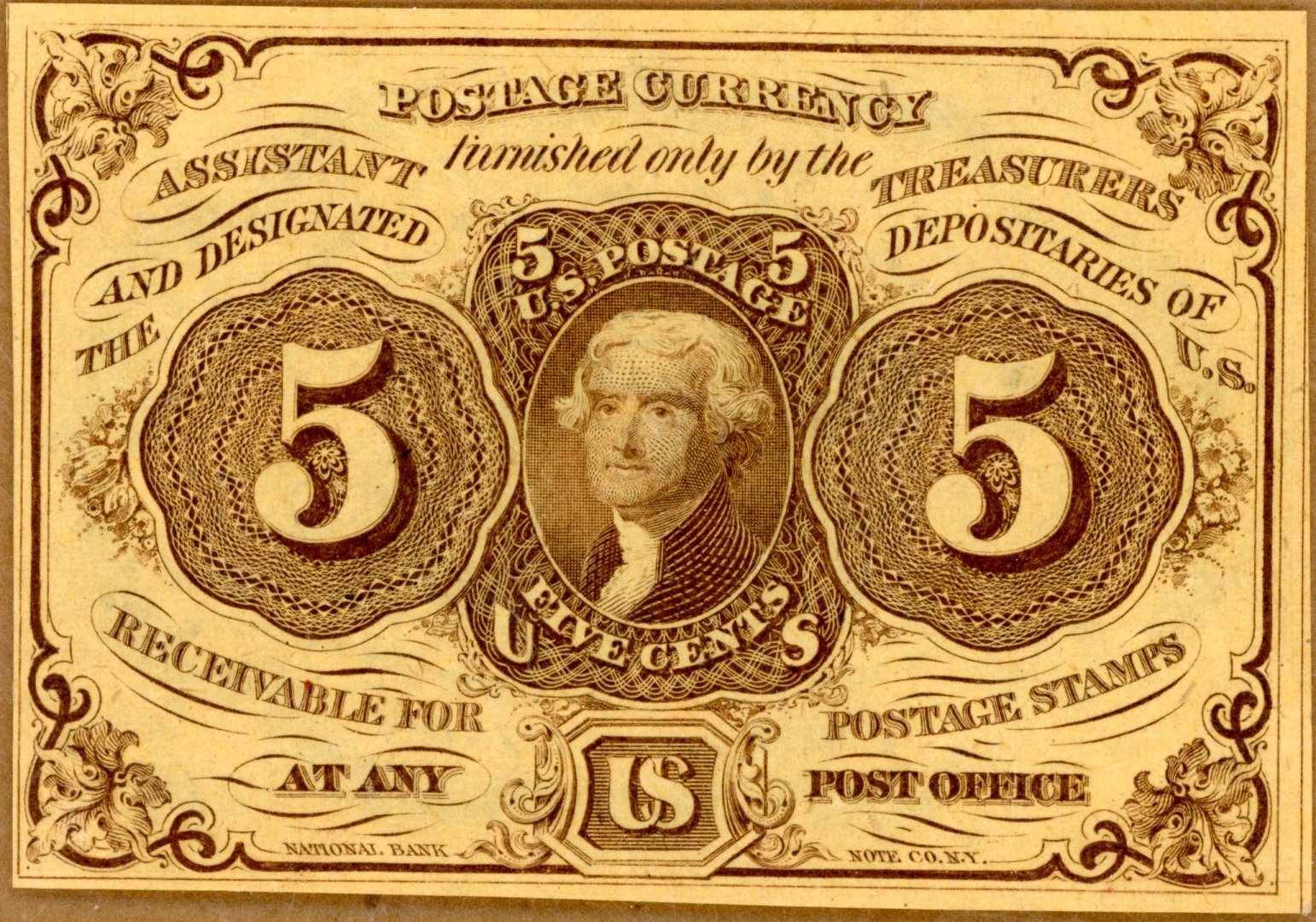
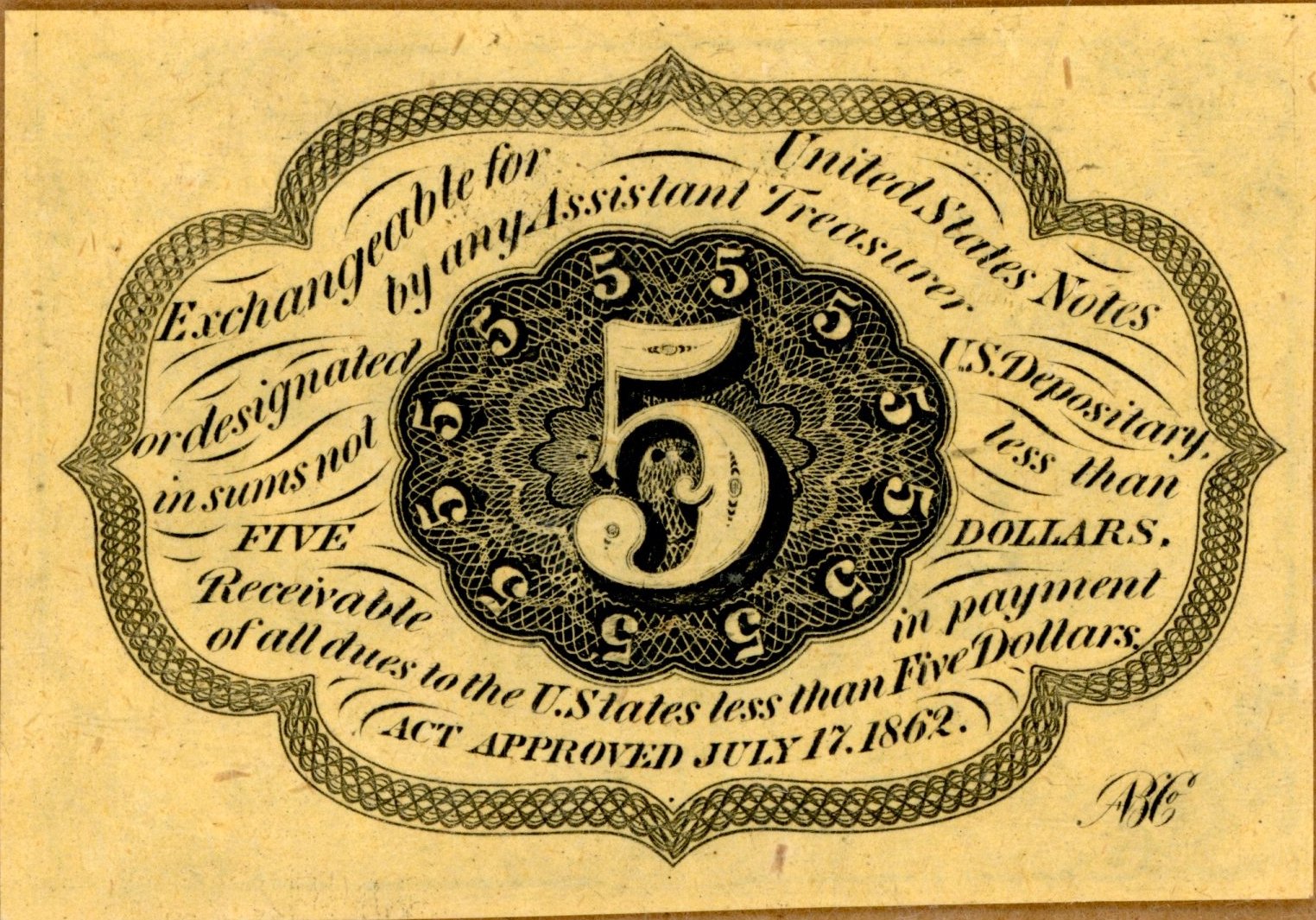
The first images are of a First Issue 5c note, authorized to be printed by an Act approved on July 17th, 1862, by the American Bank Note Company for the US Government, and was initially intended for ONLY for Postage fees (as can be understood from the script).
Later designs are much more artistic, in my opinion, and also have revised verbiage for what the notes can be used for in trade and commerce (as well as revised dates for the Acts of authorization), so I am also including a Fourth Issue 25c note to highlight some of the differences.
.
“We are only their care-takers,” he posed, “if we take good care of them, then centuries from now they may still be here … ”
Todd - BHNC #242
A few interesting bits of history happened in 1886. The Statue of Liberty was officially dedicated, CocaCola was invented, and Grover Cleveland marries Frances Folsom making him the only president to be married in the executive mansion.
My Collection of Old Holders
Never a slave to one plastic brand will I ever be.
This should be a cool and educational thread!
20th January 1887 » The United States Senate allows the Navy to lease Pearl Harbor as a naval base.
BST transactions: dbldie55, jayPem, 78saen, UltraHighRelief, nibanny, liefgold, FallGuy, lkeigwin, mbogoman, Sandman70gt, keets, joeykoins, ianrussell (@GC), EagleEye, ThePennyLady, GRANDAM, Ilikecolor, Gluggo, okiedude, Voyageur, LJenkins11, fastfreddie, ms70, pursuitofliberty, ZoidMeister,Coin Finder, GotTheBug, edwardjulio, Coinnmore, Nickpatton, Namvet69,...
.
Nice one. It looks like it is the "Large S" variety (which is scarcer than the normal "small s" of 1941).
.
The Louis & Clark expedition begins, setting off up the Missouri River from St, Charles, MO in May,
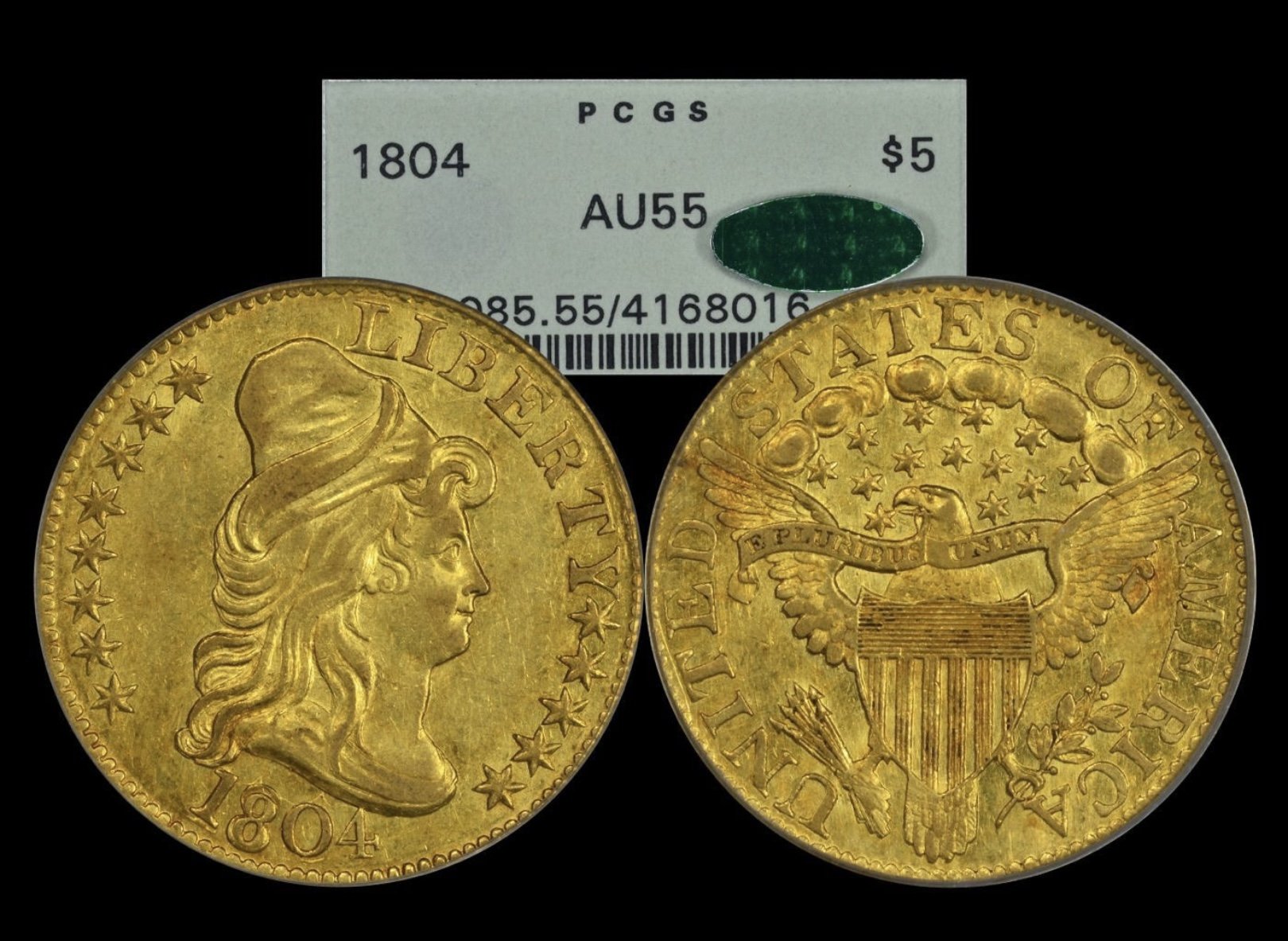
They reached the shores of the Pacific Ocean in March,
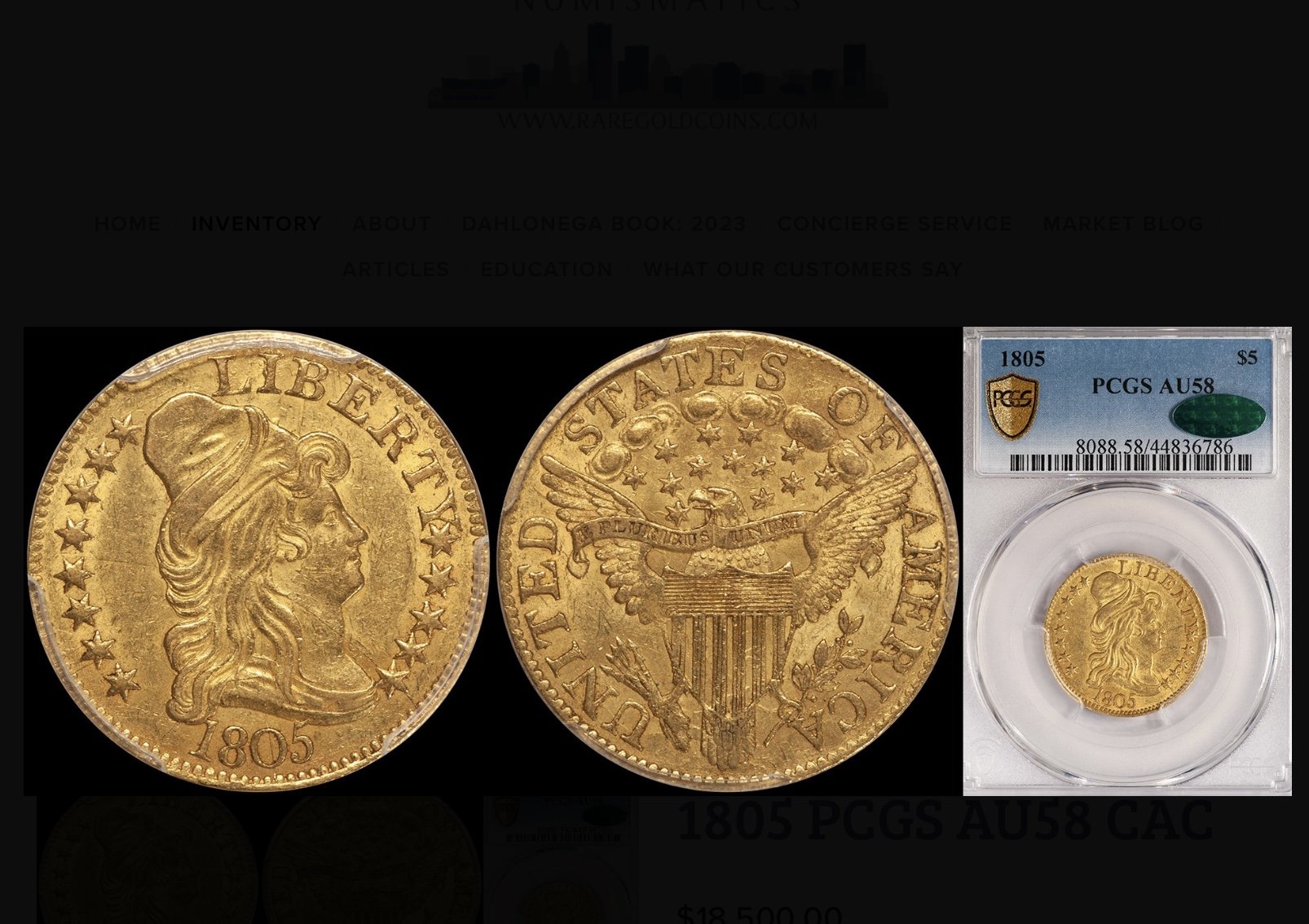
And finally returned to “civilization” back in MO in Sep,
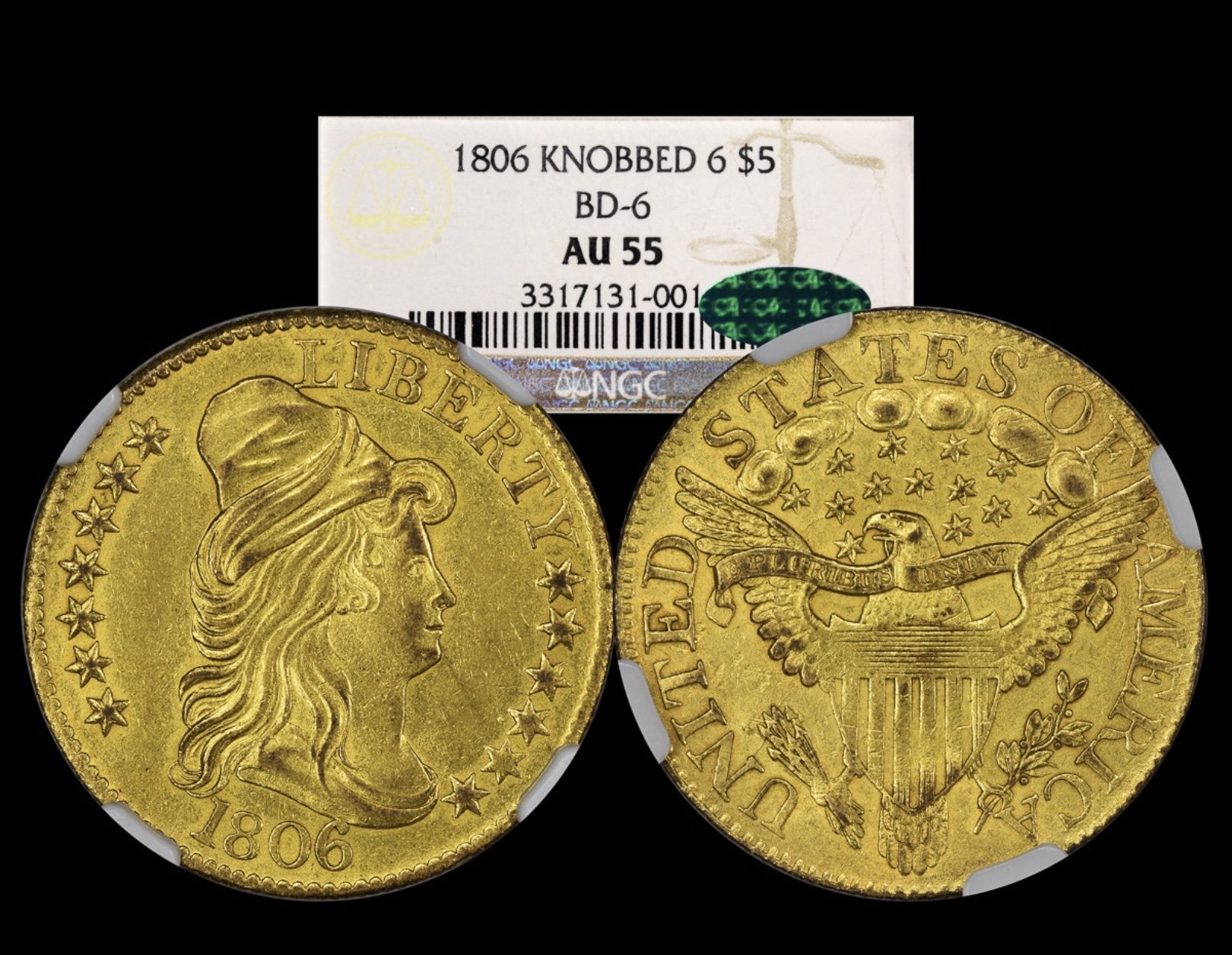
In 1869 the transcontinental railroad was completed.
Rare-Change.com - Low listing fee
1799 saw the death of “the American Cincinnatus”, our first President George Washington, as well as the death of Patrick Henry.
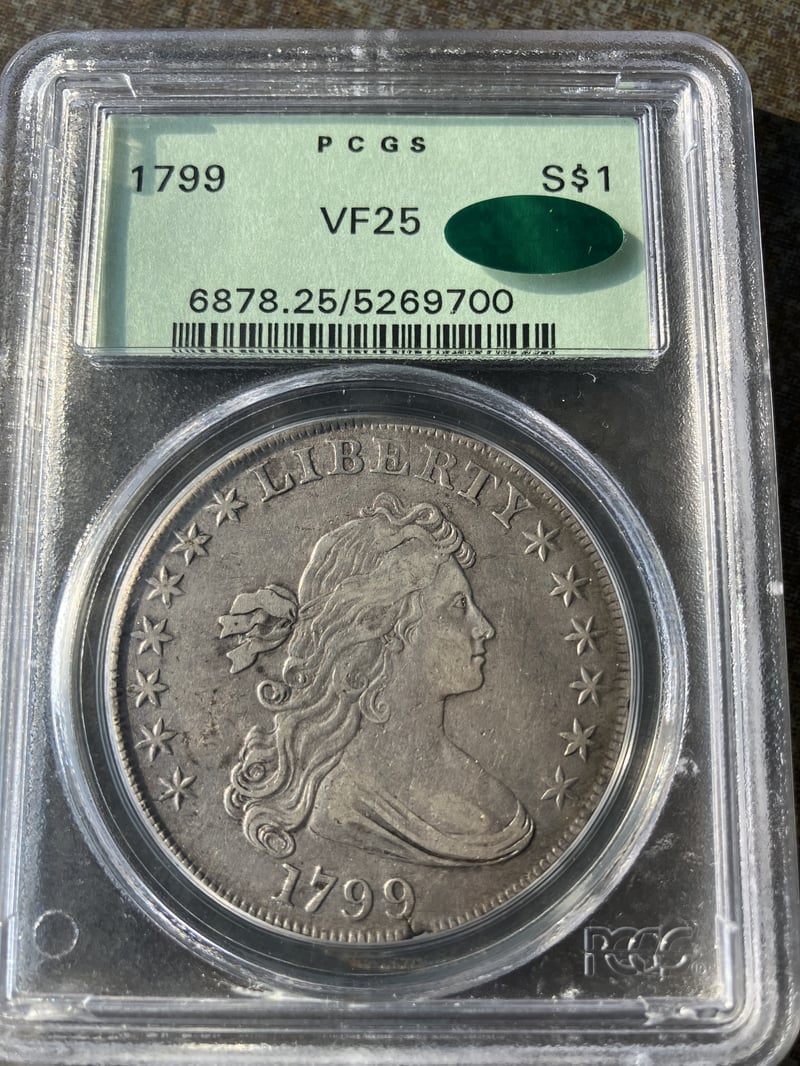
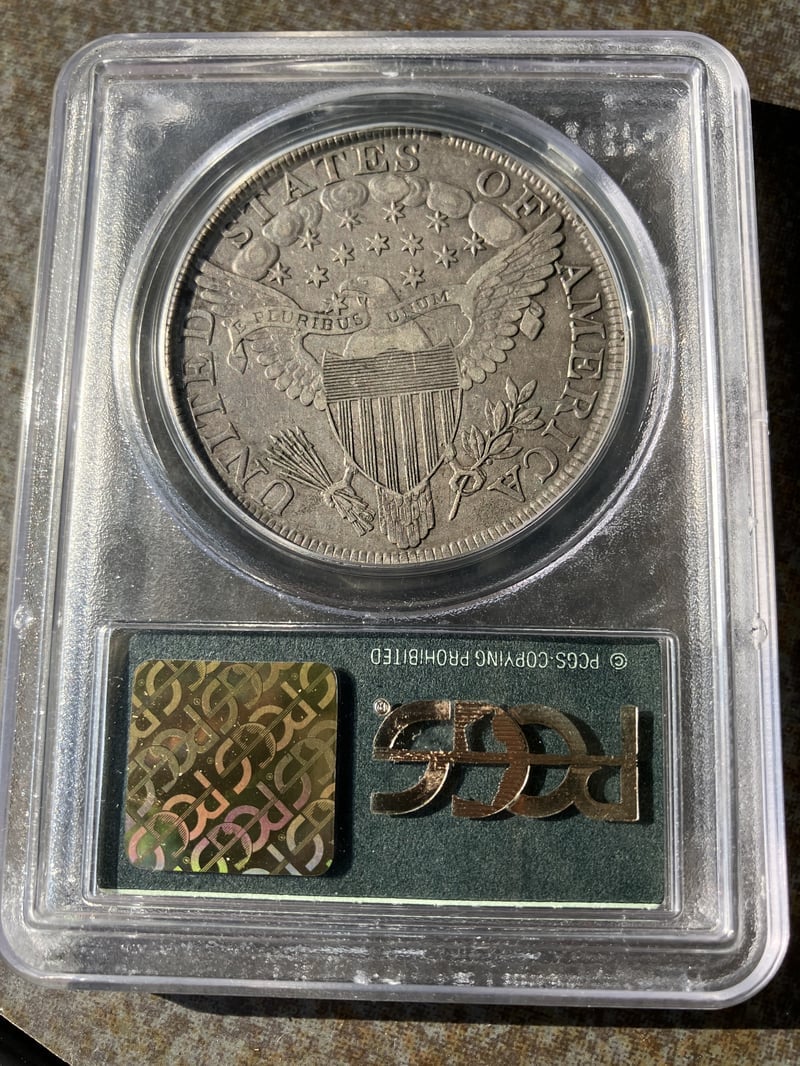
Also, the Carolina gold rush was ushered in by 12 year old Conrad Reed, who found a “heavy yellow rock” on the Little Meadow Creek that turned out to be gold…
@GuzziSport . Excellent thread. I am too incompetent to post pics. but must mention what I consider to be one of thee most improtant years in American history. 1814: The Battle for New Orleans, the last major city in American hands was fought. The President and his cabinet were hiding out in the Missouri wilderness. New York, Boston, Charlotte, Savannaha, Washington DC: all in British hands. James
December 31, 1972. I was 16 years old and first laid eyes on my wife at a New Years Eve party. She was the prettiest girl I had ever seen, and she still is.
James, here’s my 14/3 CBH to go with your excellent write up!
Awesome Coin!
Ellis Island opens for business
Top 10 Cal Fractional Type Set
successful BST with Ankurj, BigAl, Bullsitter, CommemKing, DCW(7), Downtown1974, Elmerfusterpuck, Joelewis, Mach1ne, Minuteman810430, Modcrewman, Nankraut, Nederveit2, Philographer(5), Proofcollection, Realgator, Silverpop, SurfinxHI, TomB and Yorkshireman(3)
While this 1913 Indian Head(Buffalo) Nickel should have been the numismatic highlight of 1913, this spot was stolen by 5 previous made 1913 Liberty Head(V) Nickels. To this day they seem to continue to steal the spotlight of this year.
Jim
When a man who is honestly mistaken hears the truth, he will either quit being mistaken or cease to be honest....Abraham Lincoln
Patriotism is supporting your country all the time, and your government when it deserves it.....Mark Twain
PCGS MS63
AU50 CAC
The old (first) SF Mint opened for business, thanks to the gold rush.
“The thrill of the hunt never gets old”
PCGS Registry: Screaming Eagles
Copperindian
Retired sets: Soaring Eagles
Copperindian
Nickelodeon
When you think of a D associated with 1944 you think of D-Day, June 6, 1944. That's WAY too well known and too easy to comment upon.
Less than ten days after D-Day the USA had another MAJOR amphibious landing, only this time it was halfway around the world in the Pacific. The invasion occurred on June 15th on the island of Saipan in the Mariana islands. Saipan was THE fortress for the Japanese Empire on their so called "inner line of defense". Everyone understood that if the Americans conquered Saipan (and then the rest of the Marianas) their bombers would be in range of the major Japanese cities, and the island(s) would allow the US to forward supply US submarines to cut off Japanese ocean transport.
Saipan was so important to the Japanese that for the first time in almost two years the Japanese sent out their main naval battle fleet, including 9 carriers and 5 battleships. The carriers held almost 500 planes. The Japanese also had many land based planes within a day's flight of the Marianas to throw into the fight. The US Navy had 16 aircraft carriers, 7 battleships and almost 1,000 planes. On June 19-20, the largest aircraft carrier battle in human history occurred. It was called the Great Marianas Turkey Shoot because so many Japanese planes were shot down for relatively few American casualties. The results of the battle were that the Japanese aircraft carrier fleet (the fleet that had attacked Pearl Harbor and caused so much havoc across the Pacific) was basically smashed, with roughly 500 Japanese planes shot down, and 3 carriers sunk. US losses were about 130 planes, and 76 aviators lost.
The retreat of the Japanese fleet allowed the invasion of Saipan to continue, and on July 9 the US declared the island secure, although "clean-up" operations in the jungle terrain continued for some time. The fall of Saipan forced the Japanese government to admit for the first time that the war was going badly. Hideki Tojo, the Japanese Prime Minister (and effectively dictator), was forced to resign on July 18.
Within the next 2 months the US also conquered the islands of Tinian and Guam in the Marianas. From these 3 islands the US launched the B-29 bomber fleets that wrecked Japan, culminating in launching the two atomic bomb attacks. Within basically a year of the American conquest of the Marianas, the Japanese surrendered.
U.S. Type Set
May 30, 1922, the dedication of the Lincoln Memorial. Pretty fitting! However, I like the decade of the nineteen twenties e.g. roaring 20's and Art Deco.
USAF (Ret.) 1985 - 2005. E-4B Aircraft Maintenance Crew Chief and Contracting Officer.
My current Registry sets:
✓ Everyman Mint State Carson City Morgan Dollars (1878 – 1893)
✓ Everyman Mint State Lincoln Cents (1909 – 1958)
✓ Morgan Dollar GSA Hoard (1878 – 1891)
This is my favorite US coin, from the year George Washington died.
PS- I see @GuzziSport beat me to it, with the same coin and event.
Collector since 1976. On the CU forums here since 2001.
@SkyMan Cool recap SkyMan. My Dad was a Navy Corpsman (22nd Marine Regiment) in the Marianas on Eniwetok and Guam, twice wounded, two Purple Hearts and a Silver Star. He nearly bled out after being shot twice in the leg, was able to staunch the bleeding on his own while waiting 6 hours under heavy fire to be rescued. He told some harrowing stories but he said he loved every minute of his service. Had he not been wounded he would have gone to Okinawa, and if he had there would be very good chance that I would not be here, the Japanese there took great effort to target Corpsmen.
I miss him every day. Greatest Generation, indeed.